

Spain busts illegal waste export ring
650 tonnes of hazardous cargo shipped
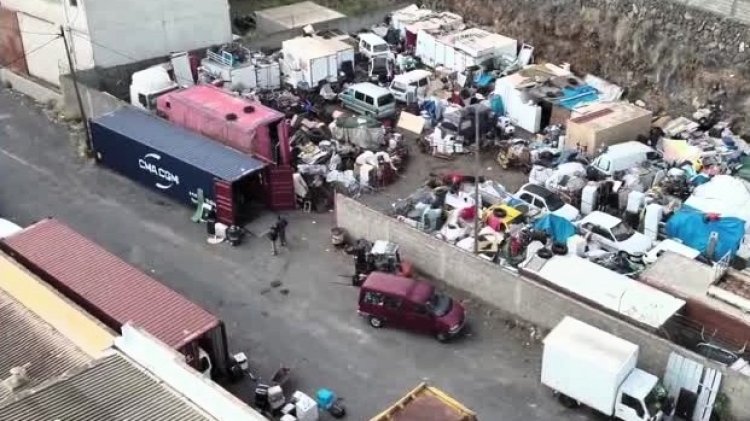
Spanish authorities dismantled a criminal network that illegally exported nearly 650 tonnes of hazardous waste from the port of Santa Cruz de Tenerife to several African countries, investigators said. The operation, led by the Civil Guard with the Tax Agency’s Customs Surveillance Service and Seprona (Nature Protection Service), targets 32 individuals and four companies based in Tenerife, Gran Canaria and Mallorca on suspicion of crimes against natural resources and the environment.
Officials uncovered a sustained flow of containers falsely documented to hide hazardous contents. The shipments included large volumes of electronic and electrical waste—such as motors and compressors stripped from discarded refrigeration units—vehicle parts, roughly 38 tonnes of fire extinguishers, and a number of cars, vans and trucks exported with falsified papers as second‑hand merchandise. In total authorities say about 650 tonnes of hazardous waste and 86 tonnes of non‑hazardous waste were exported; the operation’s estimated value is around €800,000.
Investigators allege the network concealed exports through forged invoices and layered documentation, with several businesses issuing invoices in third‑party names to create a façade of compliance. The criminal structure reportedly had five principal organisers: two residents of Gran Canaria handling logistics and paperwork and three Tenerife residents controlling shipping and procuring legal or falsified documentation.
Under Spanish law, illegal transboundary waste transfers carry potential penalties including imprisonment, fines and professional disqualification. Authorities stressed the public‑health and environmental risks posed by improper disposal—particularly when hazardous waste reaches countries with limited treatment capacity—and noted controls are aligned with international obligations such as the Basel Convention.
The probe remains active and further arrests or charges are possible as investigators trace the full extent of the network’s operations and collaborating firms. Environmental groups urged tighter cross‑border controls and improved monitoring to prevent similar trafficking, while officials called the case a reminder of the need for robust enforcement to protect ecosystems and human health from the dangers of illicit waste exports.