Teachers protest in Mexico City
Union demands pay rise and reform rollback
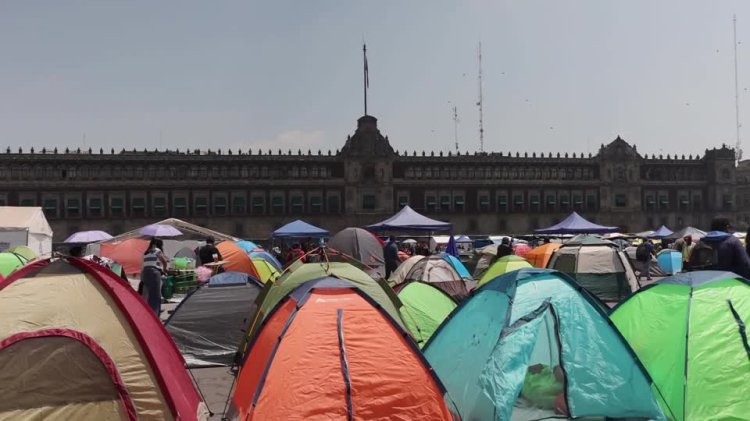
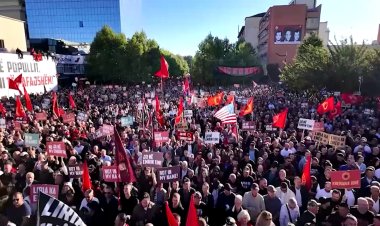
Thousands of CNTE‑affiliated teachers marched through Mexico City and established a 72‑hour protest camp in the Zócalo to press for salary increases and the repeal of recent education and pension reforms. Demonstrators carried banners accusing President Claudia Sheinbaum of breaking promises, chanted along Paseo de la Reforma and warned the government that the union could escalate actions if national negotiations are not restored.
CNTE press commissioner César Obrajio said the union’s aim is to reopen national talks with authorities; Elvira Veletes, secretary general of Guerrero’s CETEG union, accused the government of prioritizing World Cup preparations and financial deals over teachers’ demands, saying there is funding for major events and institutional interests but not for educators. The CNTE represents teachers from several states and has a track record of disruptive mobilizations, including a 20‑day strike that previously paralyzed parts of the capital.
Authorities deployed security personnel to key locations but reported that protests remained largely peaceful. Government officials have urged dialogue and expressed a willingness to negotiate, though they have not agreed to the full package of union demands. Union leaders say persistent low wages, rising living costs and chronic underinvestment in public schools—manifested in overcrowded classrooms and shortages of basic resources—make immediate pay and policy changes imperative.
The timing of the protest adds political sensitivity: Mexico is preparing to co‑host the 2026 FIFA World Cup, and union warnings of further disruption have raised concerns about potential impacts on transport, public services and high‑profile events. Analysts note the standoff reflects wider economic pressures on public‑sector workers whose real incomes have lagged behind inflation. Observers say resolution will depend on whether authorities offer credible, timely concessions and whether the CNTE decides to leverage the global spotlight to press for broader structural reforms in education funding and labour conditions.