Sudan blackout crisis deepens post-conflict
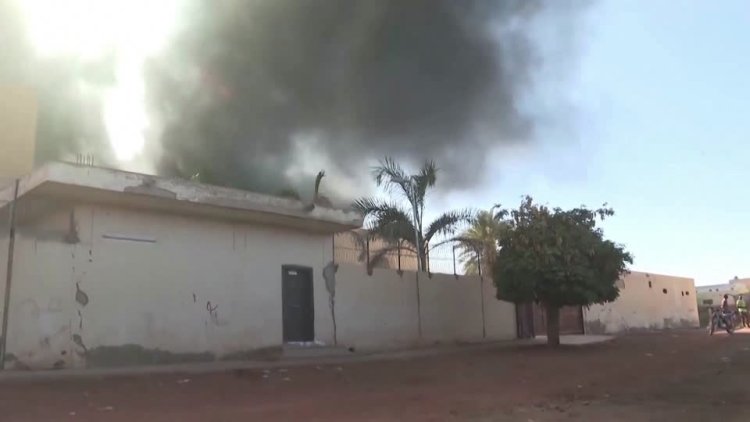
More than two years of armed conflict in Sudan have severely damaged the country's infrastructure, leading to critical power shortages that have profoundly affected daily life. While the security situation has improved in many central regions, essential services such as power, water, and gas remain unrecovered. In Khartoum, the capital, the largest refinery has been repeatedly attacked and remains closed, exacerbating fuel shortages and crippling electricity generation.
In Port Sudan, residents face daily blackouts exceeding 10 hours, while those in Khartoum endure 12 to 16 hours without power, leading to a surge in demand for candles. Local business owners, like Othman, report difficulties in using generators due to widespread theft of electrical wires. The power shortages have also disrupted water supplies, forcing residents to rely on unpurified sources, which pose health risks. Fatima, a Khartoum resident, expressed the ongoing hardships despite a cessation of battles, noting that displaced families remain unable to return home.
The ongoing civil conflict between the Sudanese Armed Forces and the Rapid Support Forces has devastated the electricity infrastructure, with 13 out of 15 thermal power stations offline due to drone strikes and neglect. Only two power plants are operational, and over 100,000 transformers have been damaged. This has resulted in frequent and prolonged blackouts across major areas, including Khartoum and Port Sudan.
Healthcare facilities are also critically affected, with over 70% reportedly inoperative, forcing many patients to go without necessary care. In rural areas, farmers are unable to irrigate crops, leading to significant agricultural losses and worsening food security. Currently, over 25 million people face extreme hunger, and more than 12 million have been displaced.