Tanzania court resumes Lissu treason case
Judges weigh protected witness use after long remand
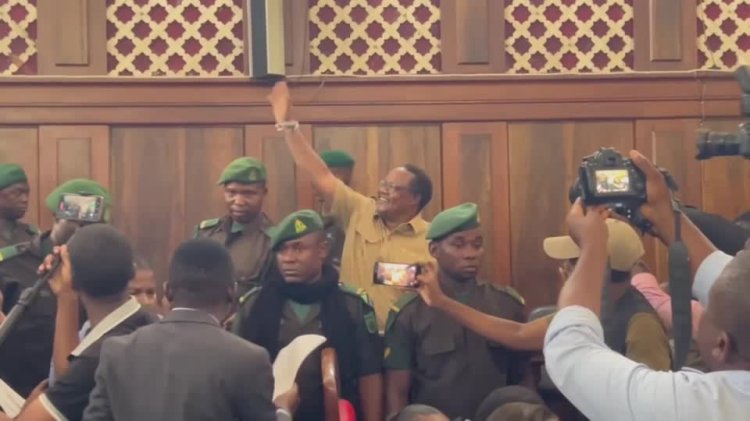
Proceedings in the high‑profile treason case against Tanzania’s main opposition leader, Tundu Lissu, resumed at the High Court in Dar es Salaam, where he again appeared before a three‑judge panel after nearly ten months in remand. The hearing remained focused on preliminary objections rather than substantive arguments, as judges considered Lissu’s challenge to the prosecution’s plan to use a protected witness who would testify from an enclosed, confidential booth—a measure his defense says would violate his constitutional right to a fair trial.
Defense lawyers say Lissu has endured repeated rights violations, prolonged delays and restrictive prison procedures; they note he has spent 307 days in remand while the case has been heard on only 15 days. After submissions from both sides, the court adjourned until the next scheduled session, when judges are expected to rule on the protected‑witness issue and provide further directions for the trial timetable. Lissu faces charges including treason and publishing false information.
The trial, closely watched domestically and internationally, has drawn comparisons with other regional cases involving opposition figures and is viewed by critics as part of a broader tightening of democratic space. Supporters and rights groups have monitored proceedings amid tight security outside the courthouse; authorities maintain the charges are lawful and deny political motivations. The resumption follows earlier delays attributed to procedural disputes, health concerns and disagreements over access to counsel and evidence.
Both Lissu—who previously survived an assassination attempt and spent years in exile—and co‑defendant John Heche deny wrongdoing and say the case is politically driven to silence dissent and weaken the opposition. Human rights organizations describe the litigation as a test of judicial independence and have called for dialogue rather than prosecutions; government officials insist courts are independent and that maintaining public order is essential.
The trial is expected to continue with further testimony and legal arguments, and its outcome could have significant implications for Tanzania’s political climate and the future of opposition politics.