Thousands protest health cuts in Andalusia
Demonstrators denounce neglect and warn of privatization

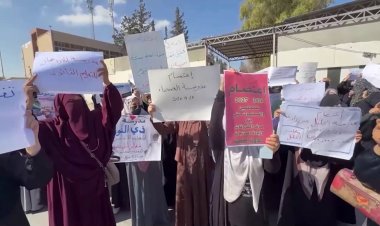
Thousands marched across Granada and other Andalusian cities to demand urgent improvements to the region’s public health system, protesting under the slogan “La sanidad pública no se vende.” Organised by healthcare unions, neighbourhood associations and patient groups, the demonstrations decried alleged neglect of hospitals, chronic underfunding of primary care and what organisers call a gradual privatization of services. Police in Granada estimated about 11,000 participants, while organisers put the figure above 20,000; marchers carried white flags of the “marea blanca” movement and chanted against regional president Juan Manuel Moreno Bonilla, blaming his administration for a purported collapse of the regional health service.
Health professionals led the rallies, carrying banners reading “Without doctors, there is no healthcare” and warning that exhausted staff face unsustainable workloads. A family doctor from northern Granada described seeing more than 50 patients a day in centres meant for far fewer, with no cover for leave and long waits for appointments. Protesters said waiting lists for surgeries and specialist consultations have grown to months, emergency departments are overcrowded, and primary-care facilities lack basic equipment; elderly residents and families reported travelling long distances to find available appointments or functioning clinics.
The immediate spark for the mobilisations was the revelation that thousands of women missed breast cancer screening appointments due to administrative failures, a scandal that organisers say exposes deeper structural problems: understaffing, budget shortfalls and deteriorating working conditions. Unions accused the regional government of favoring private clinics through outsourcing while public facilities deteriorate. A spokesperson for the Andalusian Federation of Healthcare Workers warned the health system is being dismantled “piece by piece.”
The Andalusian government defended its record, pointing to increased health spending and recruitment drives, and attributing many issues to the aftereffects of the COVID-19 pandemic and a national shortage of healthcare professionals. Regional officials said reforms are underway to cut waiting times and improve digital health access, but unions dismissed these claims as insufficient and misaligned with the reality on the ground.