Trump's vaccine order sparks health concerns
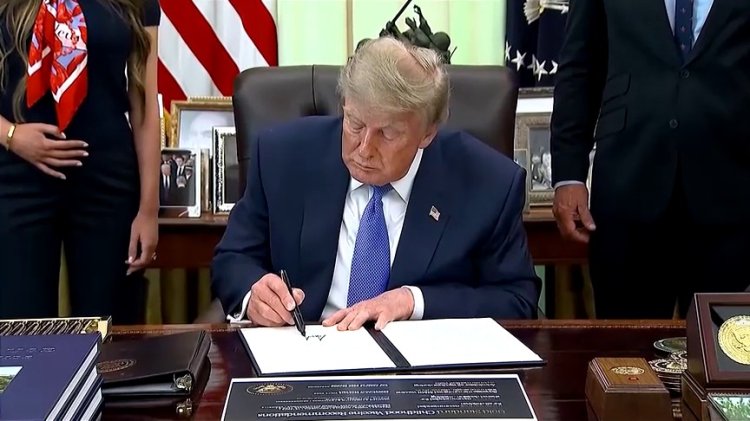
President Donald Trump has signed an executive order altering the recommended childhood immunization schedule. The order reduces universally recommended vaccines from eighteen to eleven. Vaccines for conditions such as COVID-19, influenza, and hepatitis A and B will be reclassified for higher-risk groups. This sparked widespread concern among public health experts and medical organizations. Critics argue these changes could lead to confusion, resulting in delayed vaccinations. The American Academy of Pediatrics rejected the changes, emphasizing no link between vaccines and autism. They warn altering the schedule risks undermining immunization and could leave children vulnerable to preventable diseases. New York's health chief and State Department of Health rejected the order, asserting the schedule lacks scientific evidence and poses a risk to children's health. Former Centers for Disease Control and Prevention officials also expressed alarm. This is the Trump administration's second attempt this year to modify vaccine numbers, after an earlier policy was blocked by a federal judge. The administration's directive also calls for the Justice Department to challenge state vaccine laws that conflict with parental authority, religious freedom, and equal protection. This complicates immunization policy and could lead to legal disputes over vaccine mandates at the state level. Leading medical and public health bodies maintain the current childhood immunization schedule is safe, effective, and crucial for protecting children and communities. The debate highlights ongoing tensions between federal directives and state public health autonomy.