

U.S. and Panama lead joint naval drills
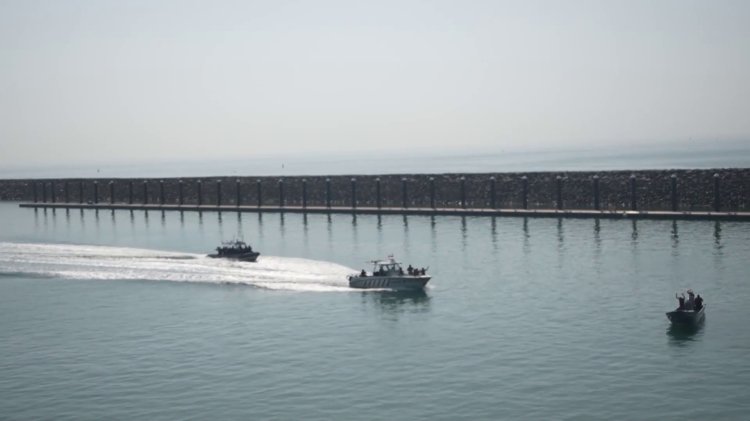
Forces from the United States and Panama recently concluded a significant multinational military exercise, PANAMAX 2026, aimed at bolstering the security of the vital Panama Canal and enhancing regional stability. This recurring exercise series is a vital component of ongoing regional defense efforts. The drills, August 3-13, brought together personnel from 19 partner nations across the Americas and Europe, including thousands of military and civilian participants. Sponsored by U.S. Southern Command and led by Panama, PANAMAX 2026 focused on improving interoperability and allied capacity to respond to potential threats. This focus ensures seamless coordination among diverse military forces and agencies in complex security environments. The exercise involved operations, marking a shift towards military preparedness with actual deployments, a first since 2012. This represented a significant enhancement in real-world readiness, moving beyond purely simulated scenarios. Operations included maritime maneuvers, small-boat operations, vessel seizures, airborne assaults, jungle survival, cyber defense, and special operations. Working dog drills, counter-UAS training, air assault missions, and aeromedical evacuations were also conducted. These comprehensive scenarios challenged participants in diverse operational domains, from sea to land and cyberspace. Command-post drills and planning sessions were held at various U.S. bases and in Panama. These sessions were critical for strategic coordination, decision-making, and refining joint operational plans. The Panama Canal is a critical artery for global maritime trade. It facilitates approximately 5% of global maritime commerce annually, handling over 14,000 vessels. Its secure operation is crucial for international trade, national security, and diplomatic relations, particularly for the United States, as many transiting ships serve U.S. ports. Any disruption to its operations would have profound and far-reaching economic consequences for global supply chains. The exercise underscored the shared commitment of participating nations to safeguarding this strategic waterway and maintaining security and stability throughout the Western Hemisphere. Such collective efforts are essential for deterring illicit activities and ensuring freedom of navigation.