U.S. seeks to curb student work authorizations
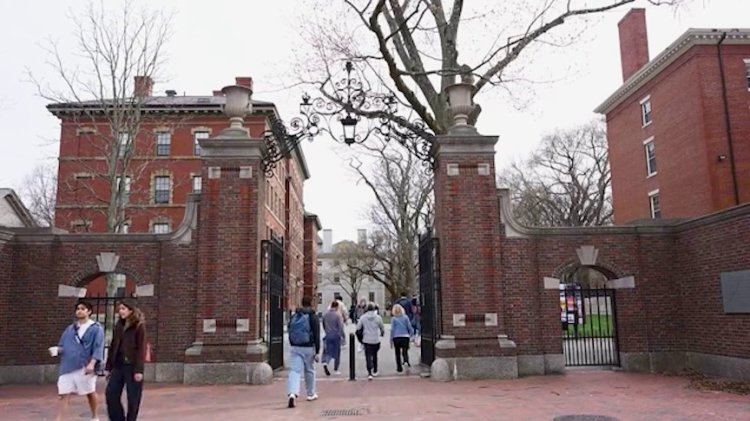
The United States government has issued new guidance to universities, restricting certain work authorizations for international students. This targets internship programs, specifically Curricular Practical Training, or CPT. The Student and Exchange Visitor Program noted an increase in CPT authorizations that appeared to violate regulations. CPT allows students to gain practical experience related to their study, when it is an integral part of their curriculum. Universities failing to comply could lose certification to enroll foreign students. In response, several universities have temporarily paused certain CPT applications, creating uncertainty for many students. Beyond CPT, the administration considered a proposal for a 100,000 dollar fee on international students in the Optional Practical Training program, or OPT. OPT allows graduates to gain work experience after completing studies. This fee proposal was widely reported but not finalized. Such a financial burden could profoundly impact post-graduation employment for international students and deter talented individuals from pursuing higher education and careers in the United States. The intent behind these measures was to address concerns regarding immigration compliance, protect American workers, and enhance oversight of international student work programs. These developments have spurred bipartisan efforts in Congress to codify the Optional Practical Training program into law. The future of these programs remains a significant point of discussion within immigration and education policy circles. These shifts underscore a broader reevaluation of immigration policies impacting foreign students in the United States.