ABC suspends Jimmy Kimmel show after backlash
Network pulls late-night program over monologue on activist’s killing
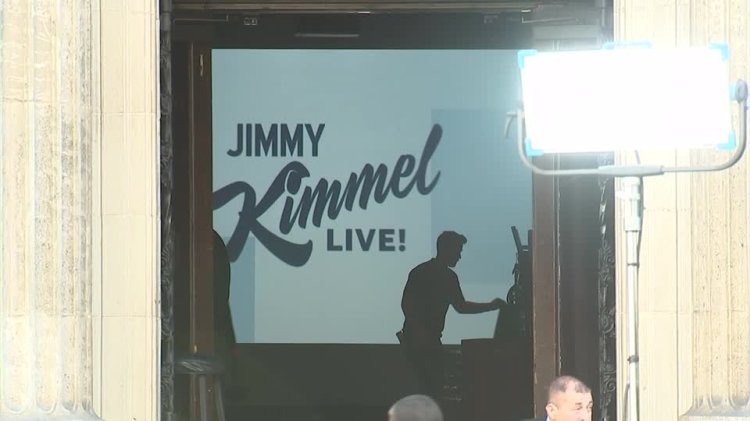
ABC announced it will indefinitely suspend “Jimmy Kimmel Live” after the host’s monologue on the assassination of conservative activist Charlie Kirk sparked intense backlash and criticism from the Federal Communications Commission. In the September 15 segment, Kimmel accused “the MAGA gang” of trying to spin the shooter’s motives and suggested conservative figures were exploiting the tragedy for political gain. Conservatives, media watchdogs and several Republican lawmakers condemned the remarks as callous and indicative of liberal bias, prompting a wave of social‑media outcry and calls for disciplinary action.
FCC Chair Brendan Carr intervened within 48 hours, labeling Kimmel’s comments “beyond the pale” and urging broadcasters to assess whether the program met public‑interest obligations. Nexstar Media Group, which owns 32 ABC affiliates, was the first major station owner to pull the show, citing the remarks as “offensive and insensitive at a critical time in our national political discourse.” The network’s decision follows that regulatory pressure and reflects concerns about advertiser sensitivity to political controversy.
ABC’s statement said the suspension is intended to “allow time for reflection and review,” without indicating whether Kimmel will face further sanctions or if the program will return. Disney, the parent company, offered no additional details on the motivations behind the move. The hiatus creates a programming gap in ABC’s late‑night schedule, likely to be filled with reruns or alternative content while the network evaluates the situation.
Reactions are split. Supporters of Kirk applaud the suspension as overdue accountability, whereas critics warn it could chill political satire and free expression. Industry analysts note that late‑night shows depend heavily on sponsorships, which can be vulnerable to political fallout. Kimmel has not issued a formal apology; his only public response was a social‑media post thanking fans and decrying “selective outrage.” The episode raises broader questions about the limits of political comedy, media responsibility and free speech in an increasingly polarized environment.