Protests erupt in Ecuador over fuel subsidy cut
Noboa declares state of emergency as clashes intensify
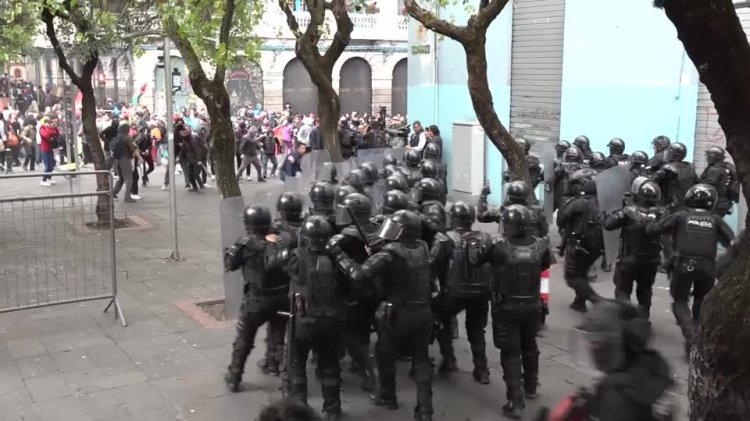
Police in Quito deployed tear gas and riot‑control tactics after demonstrators clashed with officers while protesting the government’s removal of a diesel subsidy. The unrest began when protesters threw objects at riot police, prompting the police to fire tear gas and advance on the crowds. On the city’s outskirts, demonstrators blocked highways with stones, earth mounds and burning barricades; authorities used bulldozers to clear the obstacles.
The protests stem from a decision announced the previous week to end a $1.1 billion diesel subsidy that had kept diesel at $1.80 per gallon for heavy‑transport, passenger‑vehicle and agricultural users. The subsidy’s removal raised the price to $2.80 per gallon, a jump that opponents say will raise living costs, food prices and transport fees.
President Daniel Noboa responded by declaring a 60‑day state of emergency in seven provinces. The measure suspends freedom of assembly in the affected areas and authorises police and military forces to “prevent and dismantle public gatherings where threats to citizen security are identified.” Security forces reported several injuries and property damage, though official casualty figures have not been released.
The government argues the subsidy cut will save roughly $1.1 billion annually, funds that can be redirected to social programs. A price‑stabilisation mechanism is slated to begin after December to cushion the impact of international oil‑market fluctuations. To mitigate the backlash, officials announced a $220 million support package for the transport sector, targeted assistance for low‑income households, tax refunds for the elderly and expanded welfare bonuses.
Transport unions, farmers and community groups condemned the move, warning that higher diesel costs will sharply increase the price of food, public transport and basic goods, threatening livelihoods in the agricultural and trucking sectors. President Noboa defended the decision, saying the subsidy had been misused for illegal mining and fuel smuggling and was necessary for fiscal stability and national development, while pledging direct assistance for the most vulnerable.
Opposition leaders accuse the state of emergency of suppressing dissent and warn that tensions could worsen without dialogue with civil society. As protests continue across multiple provinces, Ecuador faces the prospect of prolonged unrest, with fuel prices now at the centre of a broader debate over economic reform, social justice and the balance between fiscal responsibility and public welfare.