Mass graves found near Uvira
DR Congo accuses M23 rebels of killings as tensions rise
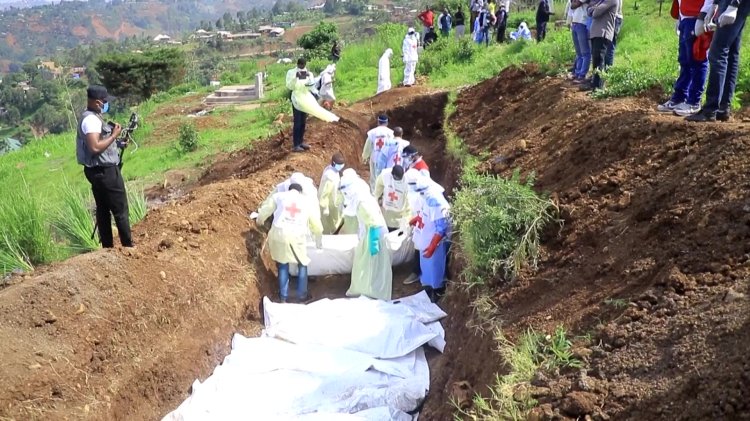
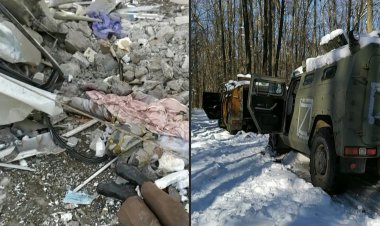
Rwandan-backed AFC/M23 rebels stand accused of mass killings after authorities discovered more than 170 bodies in mass graves near the eastern Congolese city of Uvira, prompting allegations of war crimes and crimes against humanity. Local officials released footage of provincial governor Jean Jacque Purusi Sadiki and other authorities inspecting a grave site, calling the killings a “serious genocide” and demanding accountability.
The discovery comes amid renewed fighting between Democratic Republic of Congo government forces and the M23 insurgency, which seized swathes of mineral-rich eastern territory in a rapid offensive last year and briefly captured Uvira in December before withdrawing under U.S. pressure. The conflict has displaced thousands and exacerbated an already dire humanitarian crisis, with villages destroyed and camps for the internally displaced under severe strain.
The M23’s spokesman, Lawrence Kanyuka, rejected the massacre allegations as “politically motivated” propaganda. Congo, the United Nations and several Western governments have long accused Rwanda of backing the rebel group; Kigali denies providing support, arguing security threats from armed groups operating in Congolese territory justify its posture.
In response to the escalating violence and allegations of Rwandan involvement, the United States imposed sanctions on Rwanda’s Defense Force and senior military officials, accusing Kigali of enabling the rebels’ gains and “horrific human rights abuses.” U.S. authorities say the sanctions—targeting individuals and entities with asset freezes and travel restrictions—aim to pressure those destabilizing the region and push parties toward a diplomatic resolution. Rwanda condemned the measures as unfair, saying they single out one party and “distort the facts of the conflict.”
Humanitarian agencies report mounting needs across eastern Congo, with limited access to food, clean water and medical care and persistent security obstacles hampering aid delivery. International mediators, regional blocs and observers warn the situation risks wider regional escalation and are urging renewed negotiations to protect civilians and restore stability. The sanctions mark heightened international scrutiny and increased diplomatic pressure on Kigali as calls grow for accountability and a political settlement to stem further civilian suffering.