Argentina remembers Gilda, folk saint at 30 years
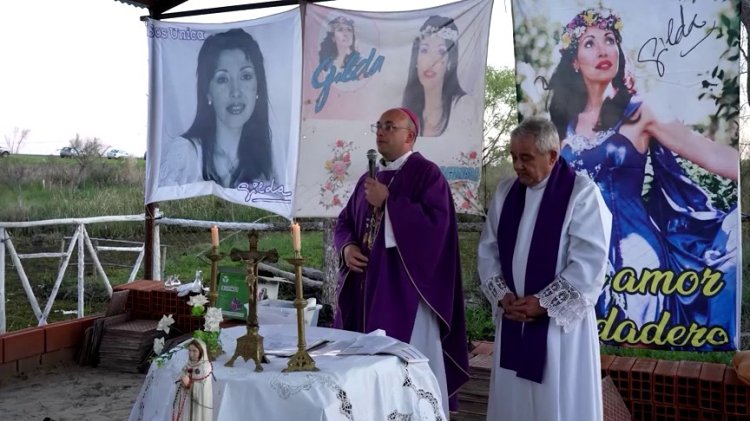
Argentina marks three decades since the tragic passing of Gilda, the beloved cumbia singer who became an enduring folk saint. Born Myriam Alejandra Bianchi in Buenos Aires in 1961, Gilda captivated audiences with her blend of Latin pop and dance music. Before her meteoric rise in the music world, she was a kindergarten teacher, a detail that further endeared her to many.Gilda embarked on her solo career in 1993, achieving widespread fame with hit songs like "No me arrepiento de este amor," "Corazón valiente," and "Fuiste." Her sweet voice and meaningful lyrics resonated deeply across Argentina, establishing her as an icon of tropical music.Her life ended tragically on September 7, 1996, at 34. While touring to promote her album "Corazón valiente," her bus collided with a truck on National Route 12 in Entre Ríos. The devastating accident claimed the lives of Gilda, her mother, her daughter, three musicians, and the bus driver.Following her death, Gilda's legend grew. Fans attributed miracles to her, leading to her veneration as a "folk saint." Though not formally recognized by the Catholic Church, devotees flock to a shrine at the accident site. There, they leave blue candles, flowers, gifts, and handwritten appeals, seeking healing, protection, and assistance.Her music thrives, with posthumous albums achieving double platinum status and songs becoming national anthems. Her influence extends to Argentine football stadiums, where her melodies are adapted into chants by fans. Thirty years on, Gilda remains a powerful cultural figure, her story embodying the enduring faith and popular devotion in Argentina.