Arizona food banks strained by shutdown
Charities warn demand is rising as federal aid stalls
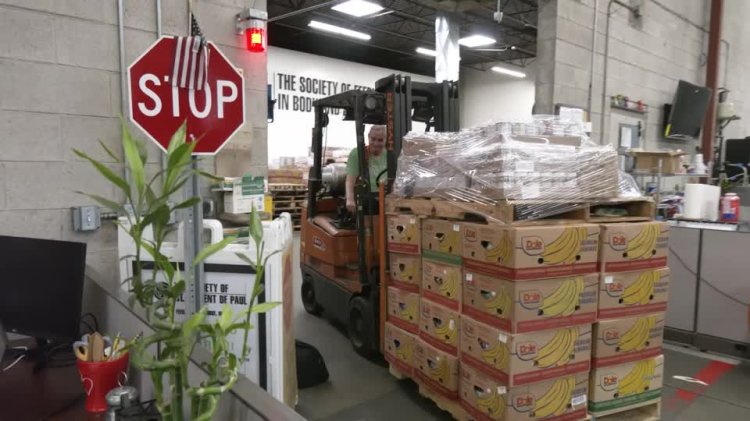
Arizona charities report rising demand and strained supplies as the U.S. government shutdown pressures food banks and assistance programs. The Society of St. Vincent de Paul in Phoenix, which provides food, rental help and other services, is preparing for increased need after thousands of federal workers were furloughed and paychecks delayed. Danielle McMahon, the charity’s chief operations officer, said sudden lost income drives families to seek emergency support; volunteers are preparing meals and collecting donations at a warehouse that handles millions of pounds of food annually.
Food pantries across the state and beyond are already seeing sharp increases. Mother Hubbard’s Cupboard has experienced more than a 20% rise in demand year-over-year and relies on The Emergency Food Assistance Program (TEFAP) for roughly 20–25% of its stock. With federal distribution halted, the pantry is limited to pre-set orders through November and cannot place new ones; leaders warn a lapse in TEFAP deliveries would quickly deplete shelves, particularly affecting protein supplies. The pantry serves 2,500–2,900 individuals monthly, up from about 2,100 last year, and officials fear SNAP benefit disruptions could push still more people to food banks.
Pantry 279 reports similar strain: TEFAP deliveries have dwindled from multiple pallets monthly to only occasional cases, while client numbers rose from under 9,800 in June to over 11,000. Staff report long lines, declining donations, reduced supplier shipments and growing demand for meat and other proteins. Leaders say continuing shutdown could force them to use restricted funds for food purchases or even close if federal aid remains unavailable for months.
Some organizations also face administrative delays: Community Development Block Grant reimbursements and child and adult meal program funding may be slowed, complicating operations. Charities are seeking alternatives—engaging community partners, organizing drives, applying for grants and reconsidering reliance on federal funding—to maintain services. Staff and volunteers emphasize the urgency of sustaining operations to feed vulnerable residents while facing uncertain timelines and stretched reserves.