Secret Colosseum passage opens to public
Restored tunnel linked to emperor Commodus reveals ancient luxury
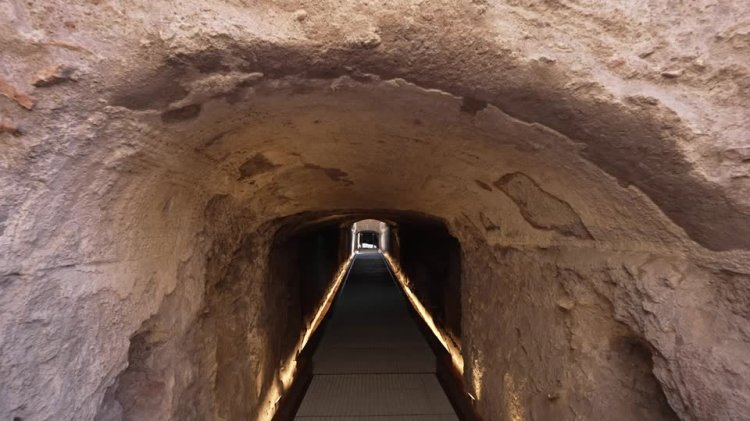
A once-secret underground passage in the Colosseum, traditionally linked to the emperor Commodus, has opened to the public for the first time following restoration. Cut through the amphitheatre’s foundations between the late 1st and early 2nd centuries AD as an addition to the original structure, the corridor allowed emperors to enter and exit the arena unseen and to observe spectacles from the imperial box without mingling with spectators.
Discovered in the 19th century, the roughly 55‑metre (about 180‑foot) passage originally extended further before sections were removed during modern sewer works. Archaeologists associate it with Commodus after chronicles describe an assassination attempt and subterranean escape; the link was reinforced by decorative features uncovered during restoration. Ancient finishes included marble-clad walls—traces of metal clamps that once held slabs remain—later covered with painted plaster showing landscape scenes, stucco vault work depicting mythological episodes, and niche panels at the entrance illustrating arena spectacles such as bear fights, boar hunts and acrobatic performances.
Conservation proved challenging due to persistently damp underground conditions, but restoration teams stabilized surviving surfaces and installed lighting and ventilation to make the route safe for visitors. To help convey the original appearance where decoration is too degraded to read directly, a virtual reconstruction is shown in an on-site video, allowing visitors to imagine the corridor’s former richness and the exclusive experience it provided to imperial guests.
The passage connects the emperor’s box on the Colosseum’s southern stands to exits beneath the arena, and it likely linked with nearby gladiatorial training areas such as the Ludus Magnus, enabling rulers to visit fighters before contests. Park officials described the opening as of “extraordinary significance,” offering a rare, tangible glimpse into elite movement, architectural modification and decorative programs in one of Rome’s most iconic monuments.