Bardot buried in Saint-Tropez
Fans mark farewell to cinema icon and activist
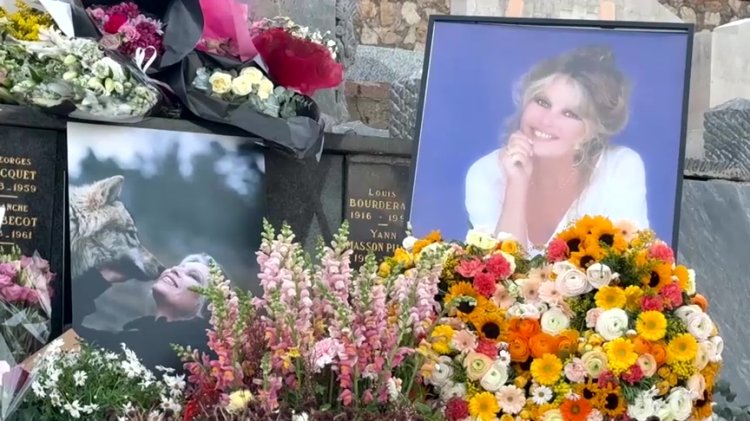
Brigitte Bardot, the French film star and animal rights campaigner known simply as "B.B.," was buried in Saint-Tropez following her death at 91 late last year. Fans left flowers, messages and photographs at her grave in the Riviera town, marking the end of a life that reshaped cinema and provoked intense public debate.
Bardot rose to international prominence in her early 20s after her incendiary performance in And God Created Woman, a 1950s film that broke with the era’s demure female archetypes. Her tousled hair, barefoot mambo and unapologetic sensuality made her an emblem of liberated femininity and a defining pop-culture figure of the 1950s and 1960s. Prominent voices including Simone de Beauvoir celebrated her authenticity and the way her persona signaled broader social change. Her image and mystique inspired artists and musicians worldwide and cemented her status beyond French cinema.
Her public life was marked by extremes: dazzling fame, intense scrutiny, personal turmoil and repeated admissions of unhappiness. Bardot spoke candidly of feeling imprisoned by celebrity, endured well-publicized romantic upheavals and battled depression; she survived at least one suicide attempt and withdrew permanently from acting after 1973, calling the film world “rotten.” She made 42 films before retiring from the screen.
After leaving cinema, Bardot devoted herself to animal welfare. Settling in Saint-Tropez, she built a life surrounded by a large menagerie and in 1986 founded the Brigitte Bardot Foundation for the Welfare and Protection of Animals, funding it in part by auctioning personal items. Her campaigning included support for high-profile activists and public threats to renounce French citizenship over animal welfare disputes. She described animal protection as the singular purpose of her later years.
Bardot’s legacy is complex. While lauded as an icon of sexual liberation and authenticity, her later decades were overshadowed by controversial political positions and repeated convictions for remarks deemed to incite racial hatred. Her outspoken views on immigration, Islam and homosexuality alienated many and remain a contentious part of her public record.
Throughout her life she remained a figure of contrasts—adored and reviled, celebrated for reshaping cultural norms yet criticized for divisive statements. The flowers and messages at her burial reflected both devotion to the actress who transformed screen femininity and the enduring debates her life provoked about fame, politics and conscience.