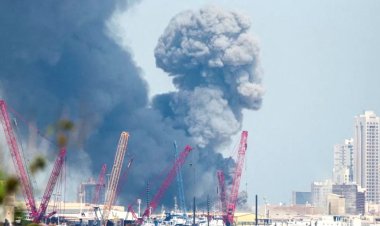
Allies decline Hormuz mission
Partners favor diplomacy over deployment
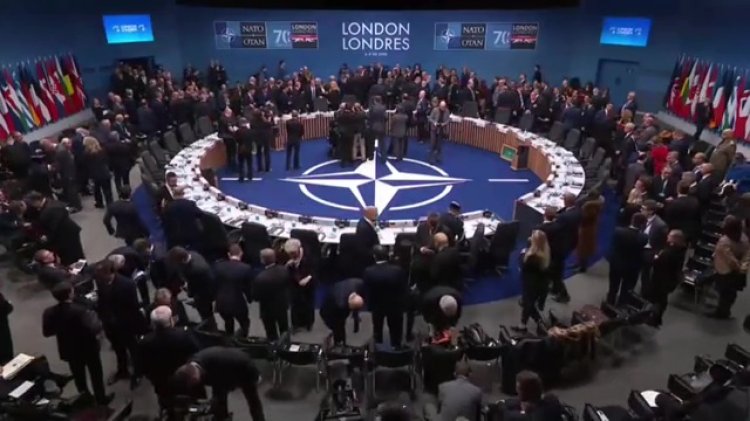
After a request by Donald Trump for assistance in reopening the Strait of Hormuz, several members of NATO as well as other international partners have reportedly expressed reluctance to participate in a military operation in the region. The request was framed as part of an effort to secure one of the world’s most critical maritime routes for global energy transportation, but the response from many allies has been cautious.
A number of key European allies—including Germany, United Kingdom, France, Spain, Poland, and Italy—have indicated that they are not prepared to send military forces to participate in an operation aimed at reopening or securing the strait. Officials in these countries have signaled that they prefer diplomatic solutions and de-escalation rather than becoming directly involved in a potential military confrontation in the Persian Gulf.
Outside of Europe, important U.S. partners such as Japan and Australia have also reportedly declined to commit military assets to the mission. Their stance reflects a broader concern about the risks of escalation and the possibility of being drawn into a conflict that many governments view as primarily a regional dispute rather than a collective international security operation.
In essence, the message coming from many of these nations is that they do not see the situation as a conflict that requires their direct military involvement. While they acknowledge the strategic importance of the Strait of Hormuz—which serves as a vital corridor for a significant portion of the world’s oil supply—they appear hesitant to participate in actions that could widen the conflict or place their forces in harm’s way.
In addition to the countries that have publicly declined involvement, diplomatic sources suggest that several other governments have quietly conveyed similar reservations in private discussions.