Brazil urges U.S. reply on tariff proposal
Brazil urged the U.S. to respond to a trade proposal submitted in May, reaffirming its openness to a "mutually acceptable" deal after U.S. President Donald Trump announced a 50% tariff on Brazilian goods starting in August.
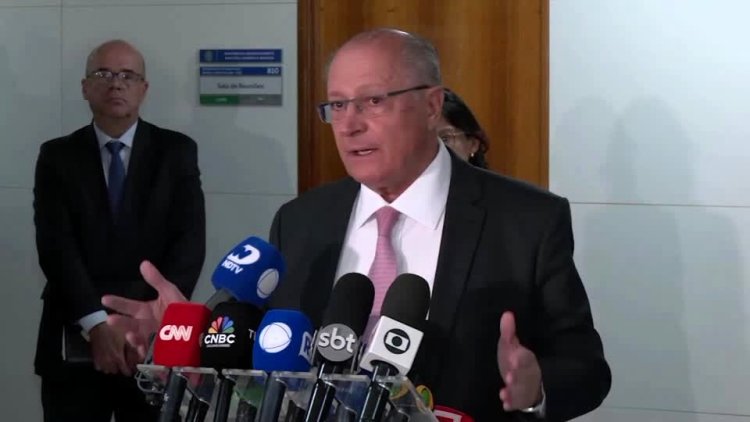
Brazilian Vice President Geraldo Alckmin stated that negotiations between Brazil and the US are urgent.
At a press conference following a meeting on the issue with representative entities, Alckmin said that the Brazilian government is still waiting for a response from the US authorities and would have no problem with extending the deadline for negotiations.
Meanwhile, in a joint statement, Brazil's Foreign Affairs Ministry and the Ministry of Development stated that the government had sent a letter, reinforcing its negotiating proposal from May 16. Vice President Geraldo Alckmin noted that the May offer had gone unanswered.
In the letter, Brazil also expressed "indignation" at the planned increase in tariffs from 10% to 50% on its exports to the US, warning of a "very negative" impact on both economies.
The letter from Brasilia also noted that Latin America's largest economy has run persistent trade deficits with the United States in both goods and services, totalling nearly $410 billion over the past 15 years.
The statement came a day after U.S. Trade Representative Jamieson Greer announced an investigation into what he described as Brazil's "unfair" trade practices.
Brazil’s Foreign Affairs and Development Ministries sent a letter urging the U.S. to respond to a May trade proposal, emphasizing Brazil’s desire for a “mutually acceptable” agreement following President Donald Trump’s announcement of a sweeping 50% tariff hike on Brazilian exports, scheduled to take effect August 1, up from 10%.
Analysts note that Brazil is relatively insulated: U.S. purchases represent just 12% of its exports (compared with 28% going to China), meaning the tariff's economic fallout is manageable, though it threatens sectors like aerospace (Embraer), coffee, orange juice, steel, beef, pulp and machinery .