

California deploys Guard amid SNAP crisis
State releases $80 million to support food banks during federal shutdown
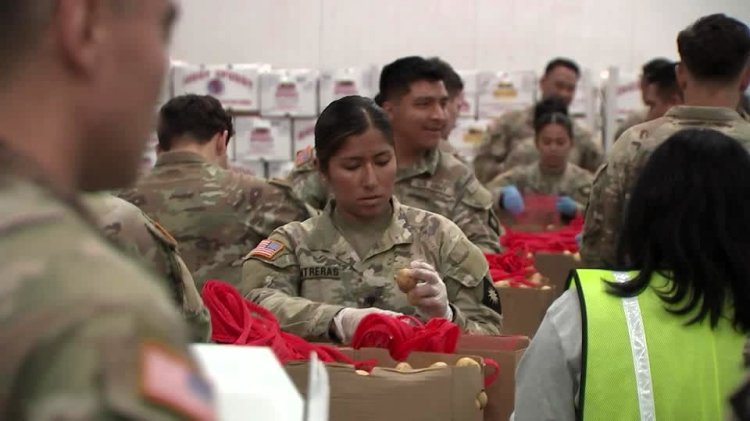
California has deployed the National Guard and released emergency funding to bolster food assistance as the federal Supplemental Nutrition Assistance Program (SNAP) faces a looming lapse amid the ongoing U.S. government shutdown. Guard members have been assigned to food banks to pack boxes, sort produce and assist logistics in a declared humanitarian role; authorities emphasized they will not perform law-enforcement duties. State officials have fast-tracked up to $80 million to support food banks and relief organizations serving roughly 5.5 million CalFresh recipients, aiming to blunt disruptions if federal benefits are not issued.
The move came after the US Department of Agriculture updated guidance that November SNAP benefits would not be issued as previously scheduled, prompting multiple states to sue and heightening concerns about an imminent shortfall for millions of households. Food banks across California report growing demand: one major Los Angeles operation said demand has risen about 25% this year and expects further increases as federal assistance falters. The Los Angeles Regional Food Bank credited the National Guard with efficiently filling distribution gaps, recalling similar Guard support during the COVID-19 emergency.
California’s Department of Social Services warned that newly enrolled recipients and, ultimately, all CalFresh participants could be affected unless federal funding resumes. The governor framed the deployment and emergency payments as necessary immediate action to prevent widespread hardship and contrasted state intervention with federal inaction during the funding impasse. Officials said the Guard’s role is strictly humanitarian to avoid deterring vulnerable populations; immigrant advocates and other groups welcomed resources but urged clear safeguards to ensure people are not chilled from seeking help.
Other states have signalled contingency planning, but analysts and aid groups describe California’s combination of Guard deployment and rapid fiscal support as among the most aggressive responses so far. Organizers and officials are racing to scale up distribution capacity, coordinate logistics, and secure supplies ahead of peak demand periods and major holidays, warning that success depends on swift coordination between state agencies, local food banks and community partners.
The state’s emergency measures aim to buy time and provide relief, but officials caution that sustained federal action will be required to fully stabilize food-security supports for millions of Californians.