China urges stronger global anti-corruption drive
Beijing backs deeper cooperation at UN graft conference
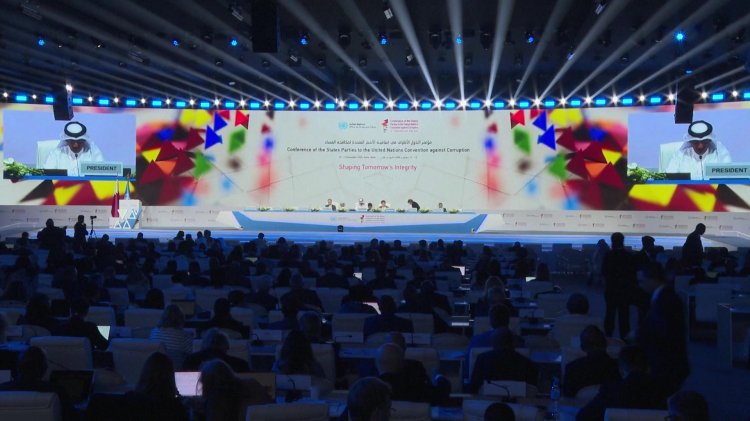
China reiterated its commitment to international anti-corruption efforts at the United Nations Convention against Corruption conference in Qatar, urging stronger multilateral coordination to combat graft, recover stolen assets and close legal loopholes exploited by corrupt actors. Chinese delegates described corruption as a transnational problem requiring deeper cooperation through mutual legal assistance, enhanced information sharing and improved extradition mechanisms, while warning that politicizing enforcement undermines global trust and effectiveness.
Officials stressed China’s support for the UNCAC as the foremost global legal framework against corruption and said Beijing is aligning domestic measures with international standards. Chinese representatives highlighted participation in joint operations targeting fugitives and recovering assets as evidence that coordinated action yields concrete results. They emphasized the need to respect national sovereignty and legal systems, advocate equal-footed dialogue, and remove political barriers that hinder collaboration.
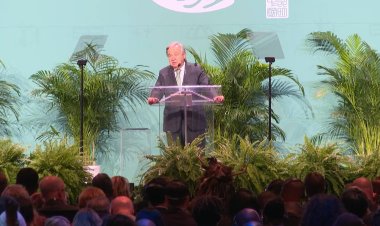
Vice Foreign Minister Hua Chunying, leading China’s high-level delegation, underscored the Communist Party and government’s resolute stance against corruption, saying no one is above party discipline or the law. Hua outlined China’s comprehensive approach—combining strict punishment with preventive measures—pointing to the CPC’s long-standing “eight-point regulation” as central to improving conduct and strengthening oversight. She framed China’s Global Governance Initiative around sovereign equality, people-centered development and tangible results in asset recovery and judicial cooperation.
Delegates warned that emerging technologies and sophisticated financial instruments are creating new risks that require updated legal tools and closer oversight. Chinese spokespeople called for anti-corruption cooperation grounded in equality, the rule of law and multilateralism, rejecting selective enforcement, double standards and politicization. They reiterated readiness to work with other countries across UN, G20, APEC and BRICS platforms to build consensus, intensify joint action and advance a fairer global governance system.
The conference, marking two decades since the convention entered into force, brought together government officials, legal experts and international organizations to review progress and set priorities for strengthening implementation of the UNCAC. China affirmed it will remain an active participant in multilateral anti-corruption mechanisms, arguing that sustained international cooperation is essential to protect development, social stability and public trust worldwide.