

Congo military widows flee M23-held Goma
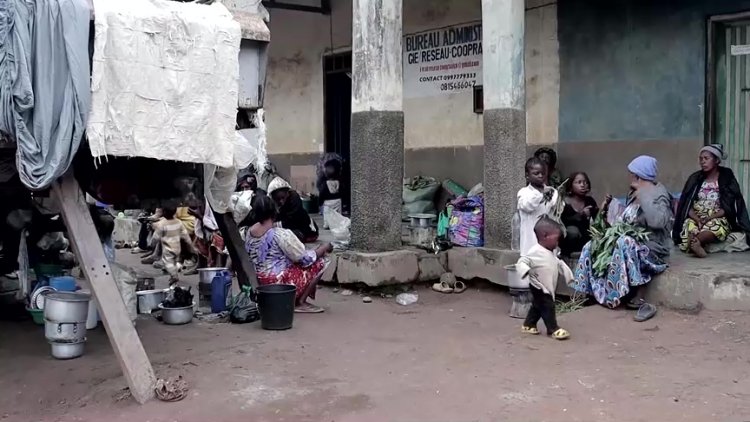
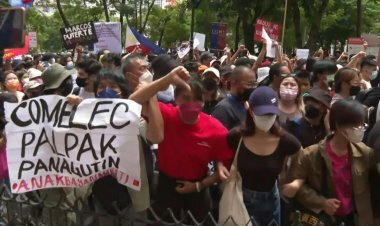
Dozens of military widows from Goma have arrived in Beni, protesting their forced displacement and calling for urgent assistance. The group, which includes many women with young children, undertook a perilous journey of some 150 kilometers, partly on foot and by motorcycle, after M23 rebels backed by Rwandan forces captured their hometown. They say they fled because of their ties to Congolese soldiers and fear targeted violence or abduction.
Speaking at a makeshift protest site, widows described days spent walking and sleeping outdoors with scarce food and water. One mother recounted how her children were “hungry and scared,” while another widow declared, “We have nothing left.” Local volunteers and the NGO Focus Congo, supported by international aid organizations, helped coordinate the convoy to Beni, where the women now plan to petition government officials in Kinshasa for protection, housing, and basic supplies.
Their arrival highlights a broader humanitarian crisis in eastern Congo. United Nations figures indicate more than 600,000 people have been displaced since hostilities escalated late last year. Many families displaced by the M23 advance now occupy repurposed school buildings and other communal spaces, where overcrowding, limited sanitation, and sporadic access to healthcare worsen already dire conditions.
Reports from Goma describe the systematic expulsion of military families after the rebel takeover of military barracks. Widows and their children were ejected from government housing, and remnants of forced labour policies remain under rebel administration: civilians have faced extortion, compulsory labour in sewer and morgue cleaning, and stringent identity checks that fuel fears of forced recruitment.
Despite a tentative diplomatic breakthrough reached in Doha—where the government and M23 signed a declaration of principles—key issues remain unresolved.