

Zelensky restores anti-graft agency power
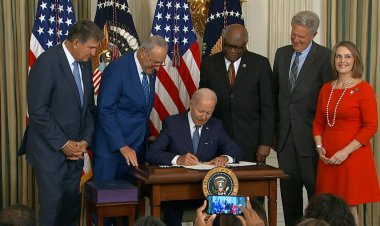
Ukrainian President Volodymyr Zelensky approved a revised draft law designed to safeguard the independence of the nation’s main anti-corruption bodies and protect them from undue influence. This action comes after a wave of domestic and international criticism over legislation he had previously ratified, which placed the National Anti-Corruption Bureau (NABU) and the Specialized Anti-Corruption Prosecutor’s Office (SAPO) under the authority of the Prosecutor General—an office directly appointed by the president.
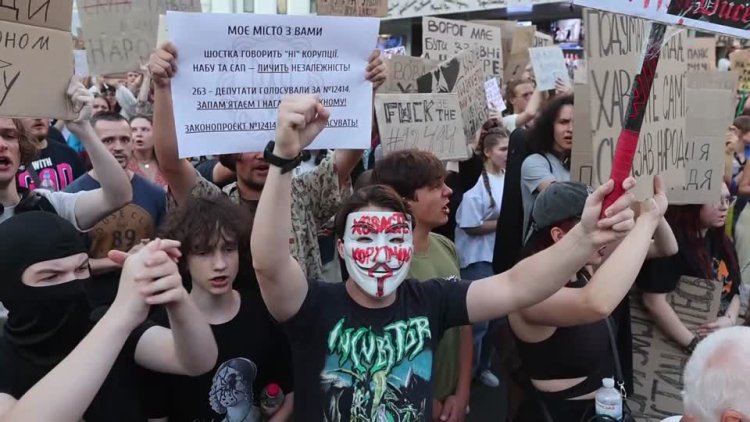
The earlier measure, passed swiftly as an amendment within unrelated law-enforcement reforms and enacted almost immediately, triggered widespread public outcry. Thousands of predominantly young protesters gathered in Kyiv and some regional cities to demand a veto of the bill. Despite martial law restrictions, demonstrations proceeded without major police intervention, featuring chants such as “Veto the law!” and “No to pressure on independent institutions.” Observers noted it was the largest single protest since the full-scale invasion began.
Under the contested legislation, the Prosecutor General gains sweeping powers: control over investigations, case assignments, prosecutorial team composition, and authority to close or transfer cases. Critics—including NABU itself—warn that these changes effectively dismantle the autonomy of anti-corruption agencies that were integral to Ukraine’s post-2015 reforms and key to securing Western financial and political support.
Government officials defending the shift point to flaws in NABU and SAPO, citing politicized probes, coordination issues with other law-enforcement bodies, and potential infiltration by actors sympathetic to Russian interests. However, many Ukrainians view the agencies as the most credible elements in a system long mired in graft. They argue that meaningful reform should strengthen, not subordinate, these institutions.
Protests are expected to persist, pressing the government for transparent debate and genuine public consultation.