Croatia revives conscription with oath
First recruits sworn in as mandatory service returns
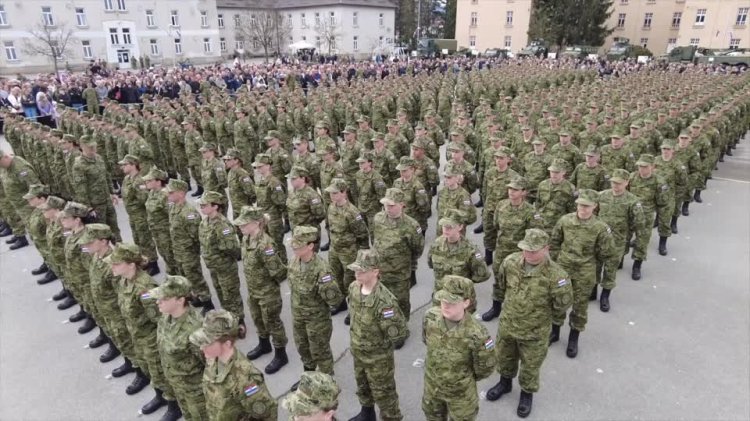
Croatia has held a ceremonial oath for its first cohort of newly reinstated military conscripts, marking the formal return to mandatory service amid shifting regional security concerns. The event, attended by senior defense officials, government representatives and families, featured military honors and speeches as young recruits pledged allegiance and began a program aimed at bolstering national preparedness.
The reintroduced conscription is a modified system focused on delivering basic training, physical conditioning, tactical skills and familiarization with modern defense technologies rather than restoring large standing forces. Defense authorities framed the initiative as a resilience-building measure to ensure a trained reserve of citizens able to respond in crises, improve military readiness and foster civic responsibility among younger generations.
Officials described the ceremony as a milestone in strengthening Croatia’s defense posture; further intake waves are planned in coming months as the program expands. Public reaction has been mixed: supporters argue conscription addresses real security needs in a tense European environment, while critics question the financial cost and potential social impacts of compulsory service. Analysts place Croatia’s move within a broader European trend of states reassessing defense policies and reserve capacities in response to geopolitical uncertainties.
Implementation details emphasize a phased rollout with structured training programs and integration of contemporary doctrines and equipment, signaling a pragmatic approach intended to balance readiness goals with budgetary and societal constraints. The government says the program aims to complement professional armed forces by creating a reliable pool of trained civilians rather than supplanting volunteer military structures.
The reinstatement is expected to reshape recruitment, force-planning and civil-military relations in Croatia, prompting debates over conscription’s role in modern defense strategy. Observers note key measures to watch will include the program’s duration, exemptions and deferments policy, training standards, costs and how successfully authorities integrate conscripts into broader national defense plans.