

Gaza no longer classed as in famine
Hunger monitor warns crisis remains severe
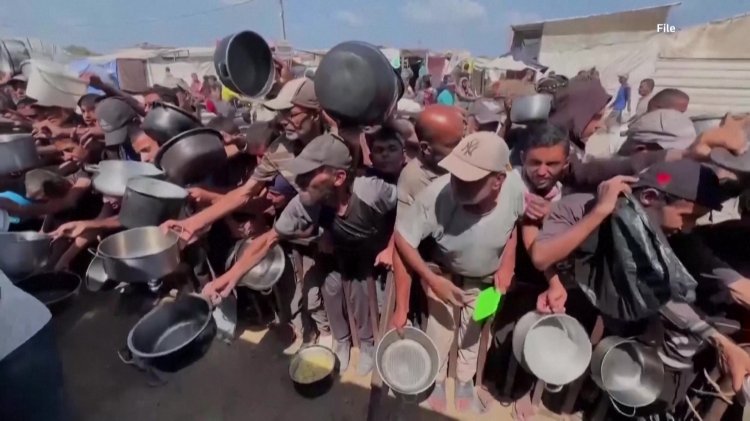
A leading global hunger monitor says Gaza is no longer classified as being in famine, but the territory remains in a severe and fragile humanitarian crisis with widespread food insecurity and acute malnutrition. The Integrated Food Security Phase Classification (IPC) reported improvements in food availability in some areas after increased aid deliveries following a fragile ceasefire, but stressed that vast needs persist and that any disruption to supplies could quickly reverse gains.
The IPC warned that more than 100,000 people in Gaza still face catastrophic conditions—extreme food shortages, high risk of acute malnutrition and elevated mortality risk—though it projected this figure could fall to about 1,900 by next April if current access and assistance are maintained. Aid agencies and medical staff say malnutrition remains widespread, particularly among children, women and the chronically ill, with hospitals and clinics overwhelmed and lacking adequate therapeutic and high‑protein foods. Doctors described cases of severe acute malnutrition in young children, reporting stalled growth, profound weakness and families unable to afford basic nutrition after loss of income and assets.
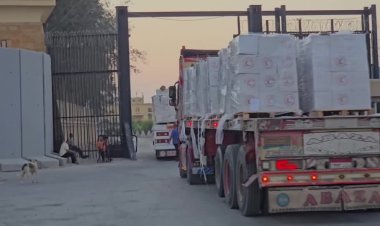
While Israel, which controls Gaza’s access points, has allowed more aid in since the ceasefire, U.N. and humanitarian organisations say access remains constrained by bureaucratic obstacles, limited commercial entry and an aid registration process they call “vague, arbitrary and highly politicised.” CARE and other groups warned that supplies are still not reaching people consistently across the Strip. Israeli agencies disputed aspects of the IPC assessment, saying the report mischaracterised conditions and that larger volumes of aid had been delivered than reflected.
Humanitarians emphasised that the absence of a famine designation does not indicate a meaningful easing of the crisis: markets are barely functioning, water and sanitation remain inadequate, and many households rely almost entirely on aid after depleting coping mechanisms. The IPC cautioned that renewed hostilities or a halt to humanitarian flows could push Gaza back into famine. It called for sustained, expanded and predictable humanitarian and commercial access, along with restoration of services and support to revive local food systems, to prevent further deterioration and enable longer‑term recovery.