U.S. escalates military campaign on Iran
Pentagon cites submarine sinking and expanded air campaign
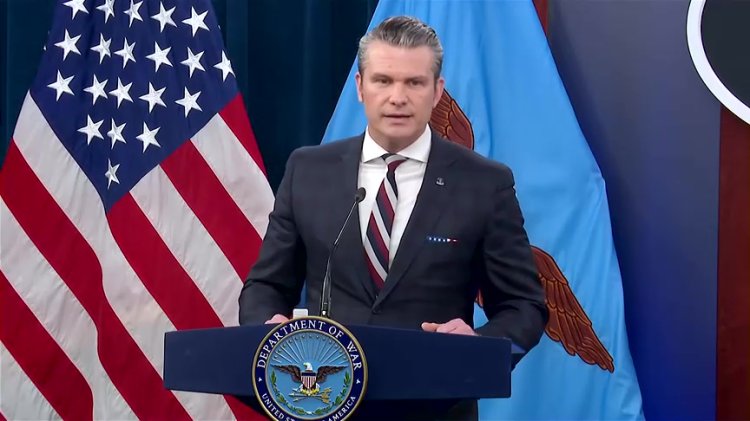
U.S. Defense Secretary Pete Hegseth announced an intensification of military operations against Iran, saying American and Israeli forces are securing uncontested airspace to enable round‑the‑clock strikes on missile systems, air defenses and senior military targets. Speaking at the Pentagon with Chairman of the Joint Chiefs General Dan Caine, Hegseth said the campaign is accelerating and vowed sustained use of precision-guided munitions, calling U.S. stockpiles “nearly unlimited.” He confirmed a U.S. submarine sank an Iranian warship in the Indian Ocean with a torpedo—a move described as the first torpedo sinking of an enemy vessel by U.S. forces since World War II—and said a U.S. strike killed the leader of an Iranian unit accused of plotting an assassination against former President Donald Trump. Sri Lankan officials identified the sunken vessel as the IRIS Dena and reported about 180 people aboard; Tehran has disputed some U.S. claims.
The naval engagement, occurring amid rapidly escalating hostilities, underscores an uncommon use of submarine-launched torpedoes in modern combat; precise vessel class and casualty figures remain limited. Officials said the submarine acted after identifying the ship as a direct threat to maritime and allied forces, and that allied naval patrols are operating in the Persian Gulf and nearby waters to protect shipping through the Strait of Hormuz. Energy markets and international observers have reacted to the heightened risk to oil transit routes.
Officials in the region report heavy casualties and disruption: more than 1,000 dead in Iran, dozens killed in Lebanon and fatalities in Israel, according to national statements. The hostilities have disrupted international travel, strained shipping lanes and driven up energy prices, while governments and international organizations called for restraint to prevent further escalation that could destabilize regional security and global energy supplies. U.S. defense officials said operations to ensure freedom of navigation and protect allied interests will continue in the coming days.