

Gaza teams exhume bodies from hospital
Officials move remains to cemeteries as families seek closure
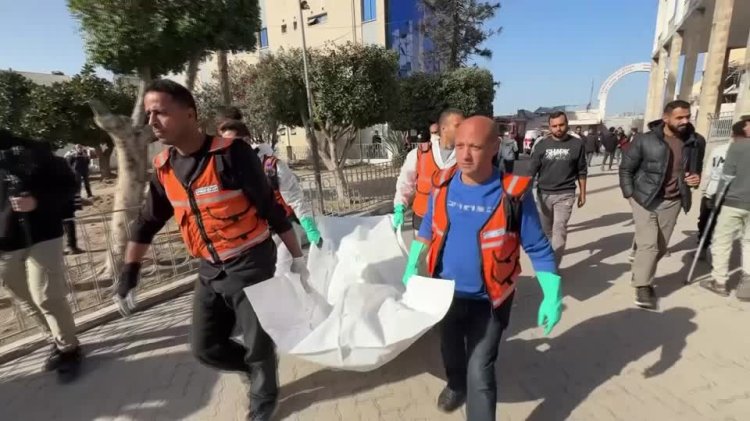
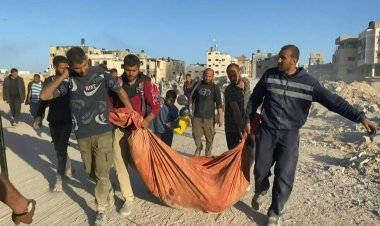
Palestinian civil defence and health teams exhumed nearly 45 bodies from al‑Ahli Arab Baptist Hospital in Gaza City to relocate them to formal cemeteries, officials said. The operation is part of a wider effort to recover remains buried at improvised sites around hospitals and other locations during intense periods of fighting. Identified bodies are being moved to the official Gaza City graveyard, while unidentified remains will be transferred to a designated cemetery in Deir al‑Balah.
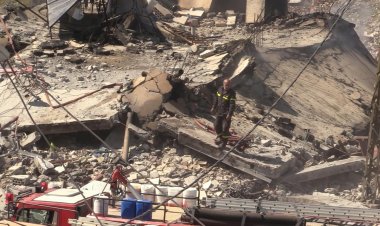
Workers in protective gear conducted the somber retrievals amid damaged hospital grounds, using stretchers and body bags and coordinating with families when possible. Many of the makeshift burials occurred when bombardment and restricted movement made access to regular cemeteries impossible and hospitals were overwhelmed with casualties. Relatives who attended the transfers described emotional scenes as they sought to identify loved ones; one identified victim, Baraa Abu Shammalah, had been killed a year earlier and his mother said the exhumation revived her grief.
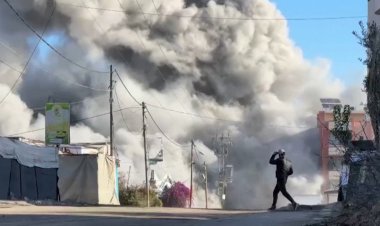
Officials said the transfers aim to ensure dignified burials and more accurate documentation of casualties after months of conflict. The operation took place while the ceasefire has reduced but not ended hostilities: Israeli strikes and demolitions targeting what it describes as militant infrastructure have continued, and both sides have accused each other of violating the U.S.‑backed agreement. Gaza health authorities report more than 350 Palestinians killed since the ceasefire began, and Israeli authorities say Palestinian militants killed three Israeli soldiers in the same period.
Civil defence teams warned that more bodies may remain buried under rubble across Gaza City and that additional recovery missions will proceed when security conditions permit. The exhumations underscore ongoing humanitarian and infrastructural challenges in a city where hospitals and rescue services remain strained and where efforts to restore normal burial practices form part of broader recovery and documentation work.