Gold jumps on Maduro capture fears
Safe-haven demand lifts bullion as U.S.-Venezuela tensions rise
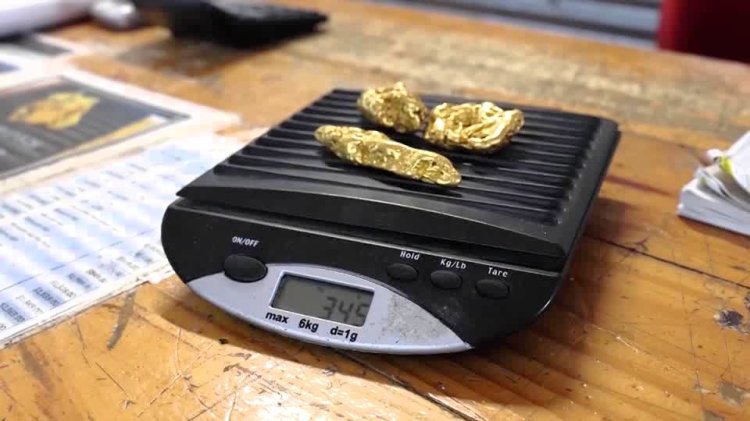
Gold prices climbed to a more-than one-week high as investors sought safe-haven assets amid rising geopolitical tension following the U.S. capture of Venezuelan President Nicolás Maduro, traders and analysts said. Spot gold jumped more than 2%, reaching just above $4,430 an ounce in mid‑morning UK trading, drawing closer to record levels set amid a surge in demand for bullion. Market participants attributed the move to heightened uncertainty over potential disruptions to oil supplies and broader regional instability after U.S. officials signaled possible further action, including warnings that additional strikes could be ordered if Venezuela does not cooperate on oil access and drug trafficking.
The sharp move in gold came alongside thin market liquidity at the start of the year, which amplified headline-driven flows. Despite a generally firm U.S. dollar, geopolitical risk and expectations of volatility pushed funds and individual investors toward bullion as a hedge. Silver also rose sharply, gaining around 4% to just over $75 an ounce, following a record high reached last week; silver has surged roughly 147% over the past year.
Analysts noted that gold’s recent rally builds on last year’s extraordinary gains—about 64% annually, its largest since 1979—fueled by Federal Reserve rate cuts, persistent geopolitical strains and investor demand for inflation and risk protection. They warned that further escalation in U.S.–Venezuela relations, or related instability affecting energy markets, could sustain safe‑haven buying, while upcoming economic data and central bank signals remain key determinants of near‑term direction.
Other traditionally defensive assets, including the Japanese yen and Swiss franc, saw modest inflows as traders trimmed exposure to riskier positions. The episode underscores how geopolitical events can quickly feed through to commodity markets, with bullion sensitive both to direct supply‑shock risks and to broader investor sentiment shifts that favor store‑of‑value assets.