

India and Oman seal major trade pact
Deal cuts tariffs and boosts investment ties
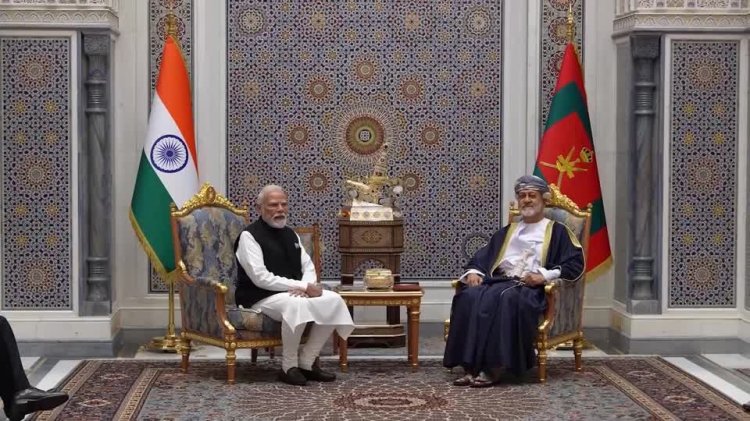
India and Oman elevated their economic partnership during Prime Minister Narendra Modi’s visit to Muscat, where he met Sultan Haitham bin Tariq al-Said and both leaders witnessed signing of a comprehensive trade and investment pact aimed at expanding market access and boosting bilateral commerce. The agreement grants zero-duty access on over 98% of Omani tariff lines—covering key Indian exports such as gems and jewellery, textiles, pharmaceuticals and automobiles—while India agreed to cut tariffs on about 78% of its tariff lines, representing roughly 95% by value of imports from Oman.
Bilateral trade already exceeds $10 billion annually, and officials expect the pact to spur growth across several sectors. The gems and jewellery industry projected a significant rise in exports, with figures potentially increasing from about $35 million to approximately $150 million within three years. Several sensitive items—including dairy, tea, coffee, rubber and tobacco—were excluded from liberalization. The deal also opens opportunities in Oman’s $12.5 billion services import market, where India presently holds a modest share, presenting scope for Indian firms in logistics, construction, professional services and other areas.
Strategically, the partnership carries broader importance for New Delhi. Oman’s position near the Strait of Hormuz—an essential shipping route for global oil—reinforces energy and maritime-security ties. Both sides highlighted cooperation in traditional energy trade as well as potential collaboration in renewables and green hydrogen. Ensuring freedom of navigation and regional stability were underscored as shared priorities.
This agreement marks Oman’s first major bilateral trade deal since 2006 and follows India’s recent pact with the United Kingdom. Indian officials framed the move as part of a broader export diversification strategy amid global tariff pressures, with the pact viewed as an alternative channel to mitigate the impact of high tariffs in other markets.
Leaders emphasized longstanding historical and people-to-people links, noting the sizable Indian expatriate community in Oman and reiterating commitments to protect migrant welfare and facilitate legal mobility. Both governments signaled follow-up talks and further agreements to turn political momentum into concrete commercial outcomes, with an emphasis on private-sector engagement and investment facilitation.
Analysts note the pact’s success will hinge on rapid implementation, regulatory alignment and business uptake, including addressing non-tariff barriers, standards and licensing. While the deal promises to accelerate trade flows and promote investment, its full impact will depend on how quickly firms leverage tariff concessions and how effectively authorities resolve procedural and regulatory hurdles.