Mexico debates end-of-life choice laws
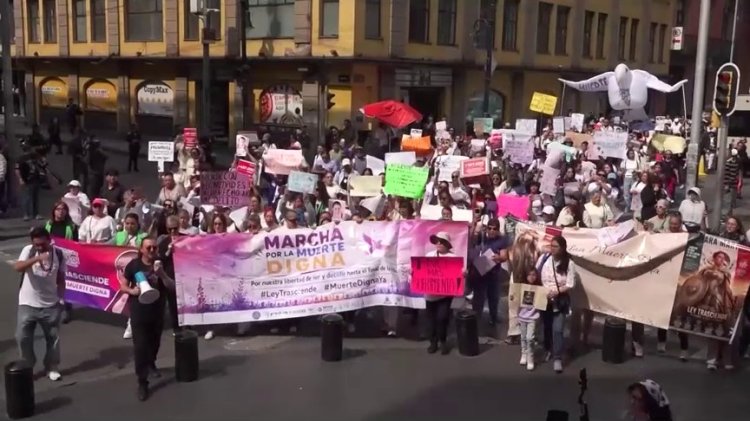
Recent rallies in Mexico City advocated for legal end-of-life choices. Hundreds called for legislative changes allowing seriously ill individuals to decide about their lives. This highlights a growing national debate on a dignified death in Mexico. Federal law in Mexico prohibits active euthanasia and assisted suicide. The General Health Law bans euthanasia as 'mercy killing,' with penalties for assisting suicide up to twelve years if death is directly caused. However, twenty Mexican states have adopted 'living will' laws, allowing terminally ill patients to refuse life-prolonging medical treatments. The citizen-backed 'Ley Trasciende' leads the movement to reform federal regulations. It proposes amending the General Health Law to permit medically assisted death for adults with terminal, or degenerative diseases, emphasizing patient consent and strict medical supervision. Surveys show over seventy percent public support for legal reforms allowing assisted death for terminally ill patients. Prominent activist Samara Martínez advocates for humanizing the dying process and preventing agony. Lawmakers from various parties support the 'Ley Trasciende,' which has begun its legislative journey through the Chamber of Deputies. The debate in Mexico mirrors legislative advancements globally. Uruguay approved a euthanasia law in 2025. Countries like the Netherlands, Belgium, Canada, Spain, and Colombia permit forms of euthanasia or assisted suicide. These reforms reflect a broader global discussion on individual autonomy, despite opposition from the Catholic Church in Mexico.