

Mexico train derailment kills 13
Mexican President Claudia Sheinbaum visits Oaxaca and pledges aid to victims
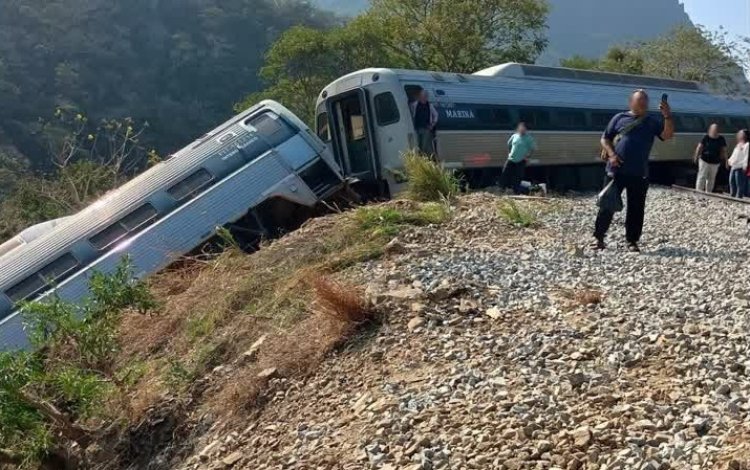
Mexican President Claudia Sheinbaum traveled to Oaxaca after an Interoceanic Train derailment near Nizanda that killed at least 13 people and injured dozens, pledging immediate financial aid and visiting survivors. Sheinbaum met grieving relatives at a crematorium and announced an initial payment of 30,000 pesos (about $1,668) for affected families, saying the government will cover medical and funeral expenses and provide longer-term support. Authorities reported the train was carrying about 250 people, including nine crew members; 98 passengers were injured and five remained in critical condition.
Emergency teams and medical personnel responded at the scene, evacuating some residents as a precaution and transporting the injured to nearby hospitals. Local and federal authorities coordinated search-and-rescue operations and set up support centers to assist survivors and relatives with immediate needs. Damage assessments and initial investigations focused on stabilizing the site and ensuring safe access for recovery teams.
Federal transport officials said a technical investigation has been launched to determine the cause of the derailment, examining infrastructure conditions, equipment performance and possible human error. Sheinbaum said findings would be made public and promised accountability if negligence is identified. She also ordered a comprehensive review of rail safety standards and protocols aimed at preventing similar accidents and improving emergency response.
The president vowed that no family affected would be left without support and that relief would go beyond one-off payments. Government teams will remain in the area to help with paperwork, housing needs and access to services, and to coordinate compensation mechanisms with the railway operator and insurers. Authorities pledged to expedite medical care, cover funeral costs and provide follow-up assistance for those with lasting injuries or displacement.
Opposition lawmakers and civil society groups welcomed the announced aid but demanded a swift, transparent investigation and stronger, sustained investment in rail infrastructure and oversight. They argued that recurrent incidents point to systemic safety problems requiring not only immediate fixes but also long-term regulatory reforms and funding.