Mozambique floods displace thousands
Heavy rains inundate provinces and strain rescue efforts
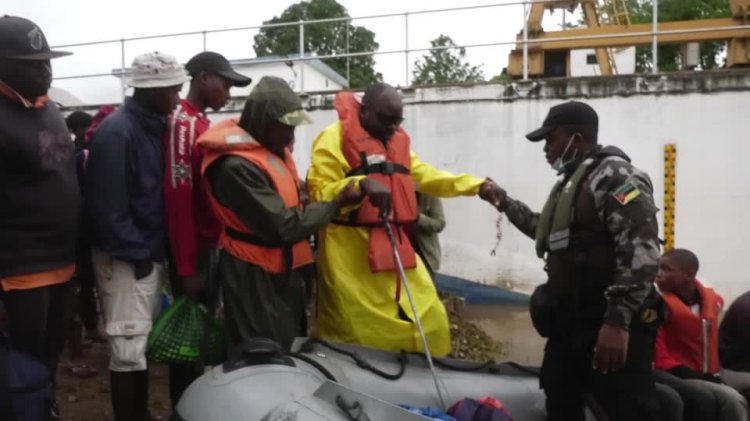
Severe floods in Mozambique have forced thousands to flee their homes as heavy rains caused rivers to burst their banks and inundate low-lying areas across several provinces. Rescue teams, volunteers and aid workers have used small fishing boats to reach stranded residents, some of whom were left on rooftops as settlements were swamped and whole communities cut off after key roads and bridges were washed away.
Humanitarian groups report the floods have directly affected more than 620,000 people and flooded over 72,000 houses, with widespread damage to infrastructure including roads, bridges and health centers. Aerial footage shows vast tracts of land submerged, with only treetops visible. There is no immediate, reliable estimate of deaths or injuries. Authorities say some rural districts have become inaccessible, hampering rescue operations and the delivery of food, clean water and medical supplies.
Emergency teams and humanitarian agencies, including the International Federation of Red Cross and Red Crescent Societies, are supporting relief efforts and setting up temporary shelters in schools and evacuation centers. Volunteers continue door-to-door and boat-based rescues, but access is increasingly difficult as dams and river basins reach full capacity and more rain is forecast, raising fears the situation could worsen.
The flooding has destroyed crops and livestock during a critical point in the agricultural season, raising concerns about imminent food shortages and longer-term economic impacts for already vulnerable communities. Health officials warn of heightened risks of waterborne diseases such as cholera and increased malaria transmission as stagnant water spreads and sanitation systems are compromised.
Government leaders have prioritized life-saving response measures and canceled international engagements to coordinate the emergency. Scientists and officials point to a pattern of increasingly frequent and severe weather events—linked to climate change—that repeatedly displace communities and strain infrastructure. Calls are growing for strengthened flood defenses, improved early warning systems and greater investment in climate resilience to reduce future risks.