


Overnight attack hits Kyiv industrial area
Fire breaks out as air defences repel drones
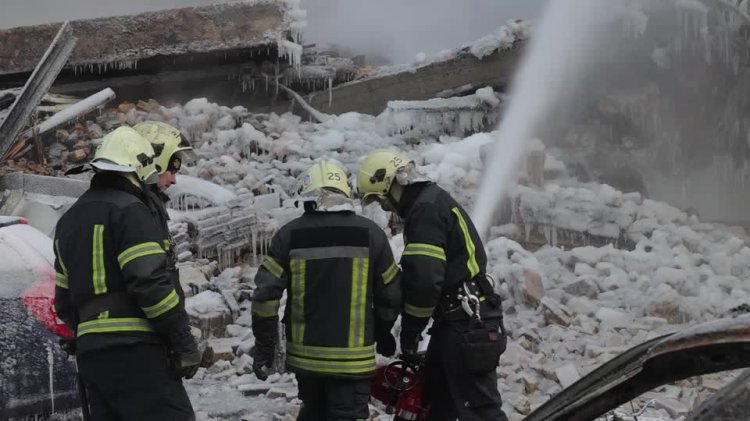
Russian forces mounted an overnight air assault on Kyiv, setting a fire in an industrial district and prompting widespread air-raid alerts, Ukrainian authorities reported. Video showed firefighters dousing flames at a non-residential site in the western part of the capital. Officials said no casualties were immediately reported and damage assessments were ongoing.
The attack used drones and possibly missiles, activating air-defence units across multiple districts. Ukraine’s air force reported intercepting several incoming threats, but falling debris from intercepted devices sparked the blaze and posed dangers to civilians, prompting authorities to urge residents to stay in shelters until the all-clear. Emergency crews were dispatched to extinguish fires and to inspect power and utility infrastructure after localized outages were reported.
This strike is the latest in a sustained Russian campaign targeting Ukrainian cities and critical infrastructure, notably the energy network, at a time of plunging winter temperatures. In recent months Kyiv and other urban centers have experienced intensifying aerial attacks that combine remotely piloted systems and long-range munitions. Ukrainian officials and independent observers say these strikes repeatedly damage residential areas and civilian facilities; Russia denies deliberately targeting civilians, asserting its strikes focus on military objectives.
As firefighters brought the blaze under control, Kyiv’s air defences remained on high alert and authorities warned further attacks could follow. The incident added strain to emergency services already stretched by recurrent strikes and reinforced Kyiv’s appeals for expanded air-defence capacity to better protect population centers from drone and missile threats.
International monitors and humanitarian organizations continue to document the humanitarian and infrastructural toll of the campaign as cities endure recurring overnight assaults. The latest attack highlighted continuing risks to civilians from both direct impacts and from falling debris even when interceptions succeed, underscoring the precarious security situation for urban residents and the challenges facing emergency and utility services as they work to restore safety and essential services.