Pakistan seeks to revive Iran-U.S. peace deal
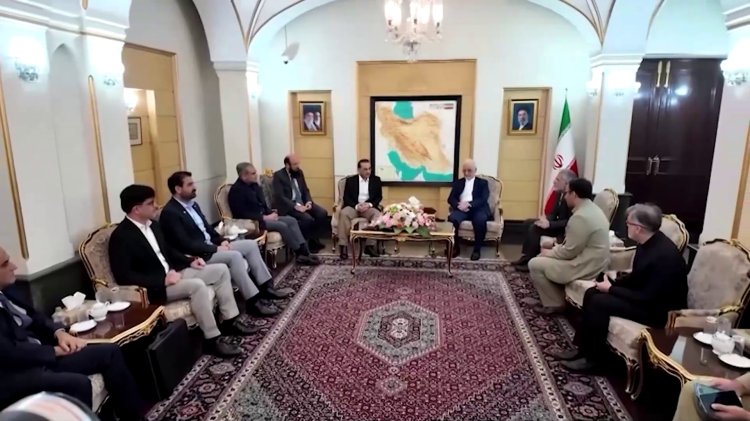
A high-level Pakistani diplomatic mission arrived in Tehran amid sharply rising tensions, as the United States launched what it termed an unprecedented financial offensive targeting Iran's international trading partners.
Tehran, however, swiftly dismissed the campaign. Iranian economic officials declared their readiness with a multi-year resilience strategy, while military and political leadership issued a firm counter-warning, vowing to shut down all crude oil exports from the Persian Gulf and enforce strict security oversight across the strategic Strait of Hormuz if the economic war persists.
Against this volatile backdrop, Pakistan's Chief of Army Staff Field Marshal Syed Asim Munir, accompanied by Interior Minister Mohsin Naqvi, held extensive consultations with top Iranian political and defense leaders. The delegation met with Iranian President Masoud Pezeshkian, Parliament Speaker Mohammad Baqer Qalibaf, Supreme National Security Council Secretary Mohsen Rezaei, Foreign Minister Abbas Araghchi, and Interior Minister Eskandar Momeni. The talks were aimed at de-escalating the conflict and salvaging the fragile, 14-point Islamabad Memorandum of Understanding signed in June with the mediation of Pakistan, Qatar, Egypt, and Turkey to cease hostilities.
Throughout the meetings, Iranian leaders voiced deep skepticism regarding Washington's intentions. President Pezeshkian warned the United States to abandon its reliance on force, coercion, and bullying, while Speaker Qalibaf and Secretary Rezaei cited clear violations of the framework by the U.S. through ongoing naval operations and airstrikes. Despite Iran suspending its commitments, Pakistan called the Tehran talks constructive, citing progress toward restoring peace, ending the war, and stabilizing West Asia.