Pope visits Beirut for unity push
The pope urges dialogue and peace in crisis-hit Lebanon

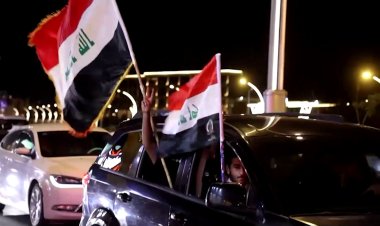
Pope Leo XIV arrived in Beirut for a three‑day visit aimed at promoting unity and peace as Lebanon grapples with economic collapse, political paralysis and regional tensions. Greeted by drumming, torrential rain and crowds waving Lebanese and Vatican flags, he met senior officials including President Joseph Aoun, Parliament Speaker Nabih Berri and Prime Minister Nawaf Salam, and took part in a ceremonial welcome at the presidential palace. The pontiff planted a cedar sapling and signed the Book of Honour, urging Lebanese leaders to set aside divisions and renew efforts for peace, calling peace “a desire and a vocation” and praising the population’s resilience as central to peacemaking.
The trip, the second leg of his first foreign tour after Turkey, is charged by the spillover of the Gaza conflict and fears of escalation along the Israeli border. Hezbollah’s presence at parts of the welcome—supporters in southern suburbs displayed portraits of Hassan Nasrallah and Vatican flags while Hezbollah‑affiliated youth groups lined the airport road—underscored the complex local political landscape. Hezbollah leader Naim Qassem expressed hope that the visit could help curb Israeli attacks, and the militia’s senior MP Mohammad Raad attended the pope’s address.
The pontiff avoided direct mention of Israel in his speeches while reiterating the Holy See’s long‑held endorsement of a two‑state solution for Israel and Palestine, framing the Vatican as a potential mediator seeking justice for all parties. He stressed interfaith cooperation and praised Turkey’s role in facilitating dialogue, reflecting themes from his prior meetings in Ankara.
Security was heightened across the capital and the itinerary includes interfaith gatherings, prayers at major religious sites and a planned public Mass on the waterfront. He will not travel to southern towns hit by Israeli strikes. The visit also includes a silent prayer at the 2020 Beirut port explosion site, a gesture intended to acknowledge national trauma. Church leaders present the trip as support for Lebanon’s sizeable Christian community and an appeal for coexistence among its diverse religious groups.
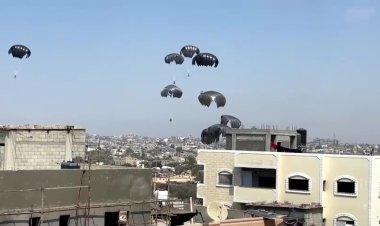
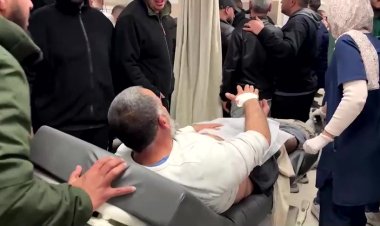
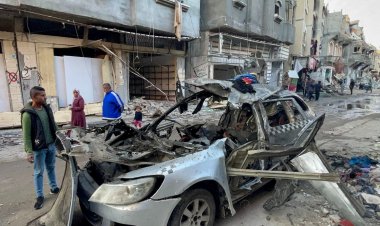
International developments shadow the visit: fresh Israeli strikes in Gaza were reported during the period, and commentators noted the broader humanitarian and political costs of the conflict. The pope’s presence offered a rare moment of collective attention in a nation burdened by shortages, protests and institutional paralysis, with many Lebanese viewing the visit as a symbolic boost amid persistent crisis. Organisers and officials hope the visit will reinforce calls for dialogue, humanitarian relief and renewed national stewardship as Lebanon confronts immediate security threats and long‑term recovery challenges.