Portugal elects new socialist president
Antonio Jose Seguro wins runoff as far right influence grows
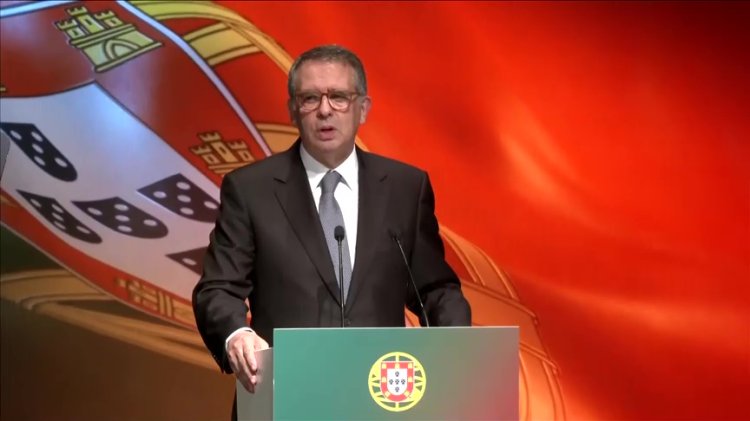
Portugal elected Antonio José Seguro as president in a decisive runoff victory over far‑right challenger André Ventura, marking the first Socialist head of state in two decades and signaling both continuity at the top of the system and the rising influence of the far right. Backed by prominent conservatives after the first round, Seguro secured nearly twice as many votes as Ventura with the vast majority of ballots counted, even as recent storms prompted the postponement of voting in some small municipalities. In his victory remarks, Seguro called for unity, respect for democracy and a shared duty to build a fairer, more developed Portugal, stressing that former rivals must now work together.
Ventura acknowledged defeat but hailed his campaign’s historic performance for the Chega party, which emerged as Portugal’s second‑largest parliamentary force in last year’s general election and has capitalized on public discontent over living costs, housing pressures and perceived elite consensus. Analysts say the conservative bloc’s support for Seguro and Ventura’s high rejection rates suggest a centrist alliance could block a Chega government even if the party strengthens further in future elections.
Although Portugal’s presidency is largely ceremonial, it holds key constitutional powers—such as the ability to dissolve parliament and veto legislation—that give the office moral authority and influence over political stability. Business and international observers described the vote as free and orderly, offering reassurance to markets and partners, while also noting the result reflects broader European trends of growing far‑right appeal driven by economic unease and cultural anxieties.
Turnout remained comparable to the first round, with many voters motivated to block the far right or to express frustration with established parties. Security and political elites reacted cautiously: Socialist leaders welcomed the win but warned it carried a mandate to tackle inequality and public‑service strains that fuel protest voting; center‑right figures urged reflection on why protest votes are rising. For Chega, the outcome was framed as momentum toward future victories.
The runoff’s outcome leaves Portugal’s presidency aligned with pro‑European, democratic norms, yet it exposes a more fragmented and contested political landscape.