

Nepal’s Oli seeks political comeback
Former PM campaigns on stability and development agenda
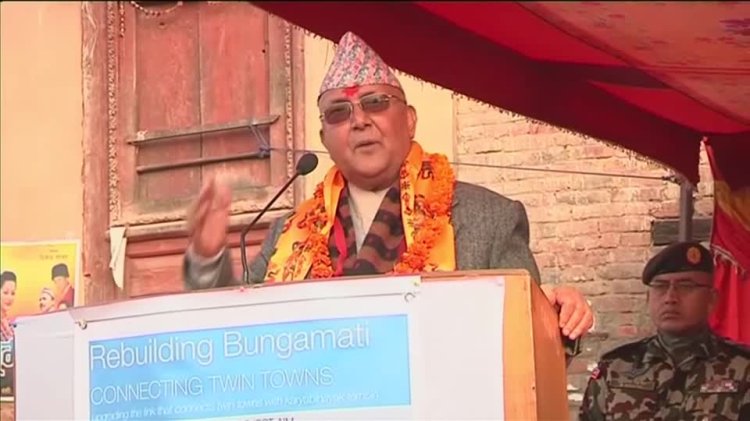
Former Prime Minister K.P. Sharma Oli, a veteran leader of the Communist Party of Nepal (Unified Marxist–Leninist), is mounting a high-profile bid for a political comeback as the country heads to a closely watched national election next month. Oli, who has served as Nepal’s prime minister on four occasions and remains the CPN-UML’s leading figure, is campaigning on promises of economic development, infrastructure expansion and stronger governance, pitching his experience as the antidote to chronic political instability.
Oli’s career has been marked by both ambitious projects and fierce controversy. Rising to prominence during Nepal’s democratic transition, he later sought to reduce dependency on India after a bilateral trade blockade, deepening ties with China through Belt and Road Initiative agreements and infrastructure deals. His 2017 landslide victory ushered in a focus on nationalism and large-scale development, but his tenure provoked accusations of authoritarianism, internal party strife and mismanagement of crises including the COVID-19 pandemic.
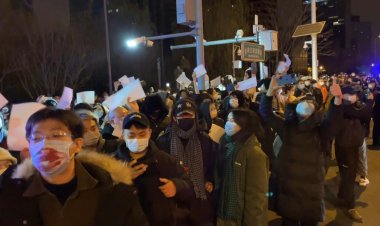
Political turbulence culminated in the collapse of his government after shifting parliamentary alliances and a Supreme Court decision removed him from office in 2021. A power-sharing arrangement brought him back as prime minister in 2024, but his administration fell again in September 2025 amid mass protests—driven largely by Gen Z activists—that included violent clashes, widespread anti-corruption demonstrations and a controversial social media ban. Those events weakened his appeal among younger voters, posing a major hurdle for his current campaign.
Oli is intensifying rallies and outreach to reclaim support by highlighting past achievements in road construction, hydropower and foreign diplomacy, while criticizing rivals for stalled projects and ineffective governance. Analysts view the race as likely to produce another coalition government, with outcome ramifications for Nepal’s economic policy, regional diplomacy and institutional stability. Opponents contend Oli’s return would revive the polarization and constitutional disputes that have periodically paralyzed governance, whereas his supporters argue his organizational strength and experience are needed to deliver results.
Election authorities are finalizing logistics for the vote that will determine the federal parliament’s composition. As campaigning accelerates, the contest will test whether the electorate prioritizes seasoned leadership and infrastructural promises or seeks a new political direction after recent upheavals that disproportionately galvanized younger citizens.