

Quake kills 20 in northern Afghanistan
Rescuers search rubble as hundreds injured in 6.3 quake
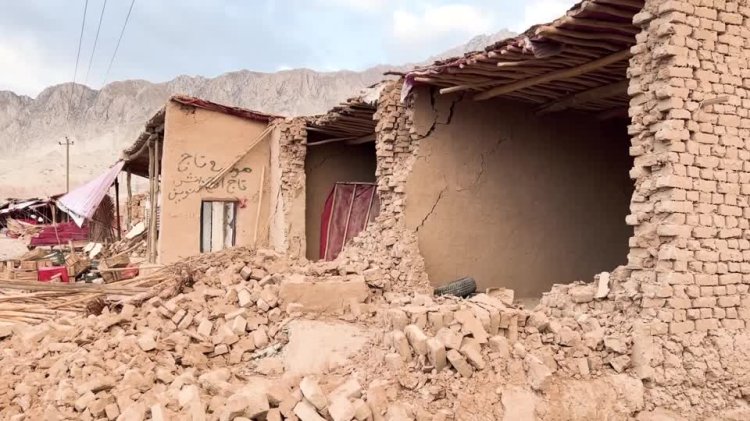
Rescue teams and residents searched through rubble after a powerful 6.3-magnitude earthquake struck northern Afghanistan, killing at least 20 people and injuring hundreds. The quake, centered near the town of Khulm about 20 kilometers west of Mazar-e-Sharif, was felt across several provinces including Balkh, Samangan, Kunduz and Sar-e-Pul and tremors reached as far as Kabul. Authorities reported at least 643 injured, with dozens in critical condition, and warned the death toll could rise as emergency crews continue to dig through collapsed homes—many of them mud-brick structures in remote villages where entire families were buried when buildings gave way during the night.
Scenes from affected areas showed residents digging by hand to pull people from debris before professional rescuers arrived. Power outages and landslides blocked roads, hampering relief operations and communications. Winter’s approach and dropping temperatures have increased urgency for shelter and medical aid as aftershocks persisted.
The historic Blue Mosque in Mazar-e-Sharif sustained partial damage, with decorative tiles and outer walls cracked though the main structure remained standing. Local authorities, aid organizations and medical teams have been deployed to hardest-hit locations, but access remains difficult due to rugged terrain and infrastructure damage.
Afghanistan is highly susceptible to earthquakes because it sits on active fault lines, and many rural homes—built of clay and timber—offer little resistance to seismic shocks. The country is still recovering from a devastating late-summer quake that killed more than 2,200 people, and the new disaster compounds existing crises including reduced foreign aid and large-scale refugee returns. The United Nations and humanitarian groups cautioned that the latest quake could further worsen precarious living conditions for thousands already affected by prior disasters and ongoing conflict.
Officials appealed for international assistance to provide emergency shelter, food and medical supplies as rescuers race against time to find survivors beneath collapsed structures. The quake has left many families homeless and renewed fears over the region’s vulnerability to seismic events, underscoring the urgent need for coordinated relief amid challenging logistics and worsening weather.