

Rafah reopening brings Gazans home
Returns begin via Egypt as fighting continues in Gaza
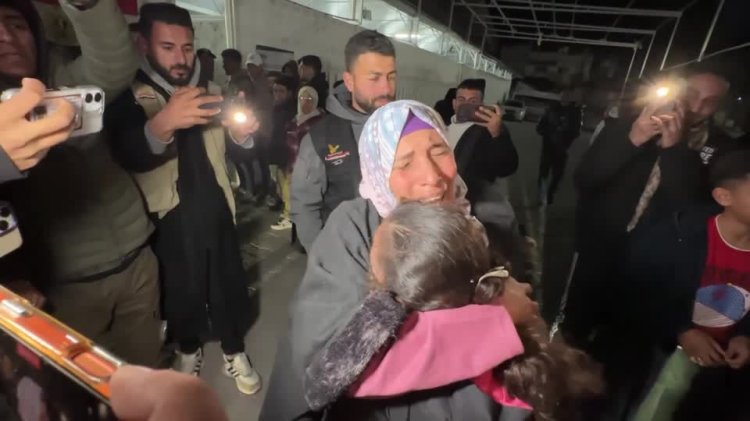
Buses carrying Gazans returning from Egypt arrived at Nasser Hospital in Khan Younis as Israel reopened the Rafah crossing, enabling movement after months of closure. Crowds waited outside the medical facility to embrace returnees; many headed to homes and neighborhoods heavily damaged by months of fighting. Reopening Rafah was a condition of the October ceasefire framework tied to a U.S. plan to halt hostilities and has allowed some patients and displaced people to travel for treatment and refuge, though progress remains slow and limited.
Despite the crossing’s partial reopening, violence continued: health officials reported Israeli tank shelling and airstrikes that killed 24 Palestinians, including seven children, in Gaza on the same day, while Israeli forces said strikes targeted militants who fired on troops near the armistice line. Hamas condemned the attacks as violations undermining ceasefire stabilization and urged international pressure to stop further incidents.
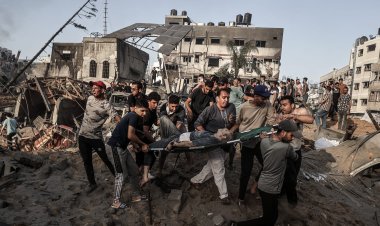
Returnees confront devastated urban landscapes—streets strewn with rubble, collapsed buildings, unexploded ordnance and severely damaged infrastructure. Many homes are uninhabitable; basic services such as water, electricity and healthcare remain strained or unavailable. Humanitarian agencies warn returns are often uncoordinated and risky, with overcrowded shelters, limited sanitation and high contamination hazards. Some 20,000 Gazans seek treatment abroad, underscoring urgent medical needs that reopening Rafah only partially addresses.
Municipal services and aid operations face major constraints: hospitals are overwhelmed, fuel shortages hamper water pumping and transportation, and debris removal capacity is limited. Aid groups stress that large-scale, safe returns require sustained ceasefire conditions, secure access routes and substantial reconstruction and relief support. International actors call for guarantees to protect civilians and humanitarian workers before encouraging more returns.
As families clear rubble, salvage personal belongings and erect makeshift shelter, many express relief at returning but fear for safety amid ongoing strikes and uncertain prospects for reconstruction. The juxtaposition of hopeful reunions at Nasser Hospital with continued military activity highlights the fragile nature of the current lull and the heavy humanitarian needs that persist in Gaza.