Record ICE raid hits Hyundai battery site
475 foreign workers detained in Georgia spark Seoul talks
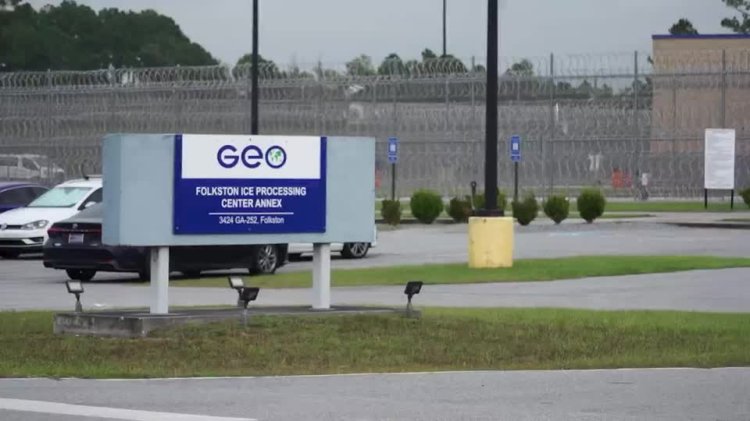
Hundreds of workers detained at a Hyundai Motor car battery facility under construction in Georgia are currently being held at ICE's Folkston detention facility. Approximately 475 individuals, primarily South Korean nationals, were arrested in what U.S. immigration officials described as the largest single-site enforcement operation in the history of the Department of Homeland Security.
The enforcement action at the Hyundai Metaplant in Ellabell, Bryan County, was conducted under a judicial search warrant and stemmed from a months-long investigation into suspected unlawful employment and visa violations. While some detainees had irregular immigration status, others had entered the U.S. on business visas or under the Visa Waiver Program, which do not permit employment, and some had overstayed their authorizations.
Hyundai Motor Group clarified that none of the detained individuals were direct employees of the company; most were employed by subcontractors, including those associated with LG Energy Solution, and were involved in the construction of the battery facility. Following the raid, South Korea's government expressed concern and regret over the detentions and is in talks with the U.S. to facilitate the repatriation of over 300 of its citizens. A chartered plane is being arranged for their return.
In response to the incident, Hyundai has initiated an internal investigation into its supply chain's employment practices. Chris Susock, Hyundai’s North America Chief Manufacturing Officer, has been appointed to oversee governance at the Georgia megasite to ensure stricter compliance with employment regulations moving forward. The situation highlights ongoing tensions surrounding immigration enforcement and labor practices within the construction industry, particularly involving foreign workers.
The operation has sparked discussions about labor rights and immigration policies in the U.S., with advocates calling for reforms to protect vulnerable workers. The incident has also raised questions about the responsibilities of large corporations in ensuring compliance among their subcontractors. As diplomatic negotiations continue, the implications of this enforcement action may resonate beyond the immediate situation, potentially influencing future labor practices and immigration enforcement strategies in the country.