Oil climbs as Persian Gulf tensions intensify
Brent tops $110 as traders fear wider supply disruptions
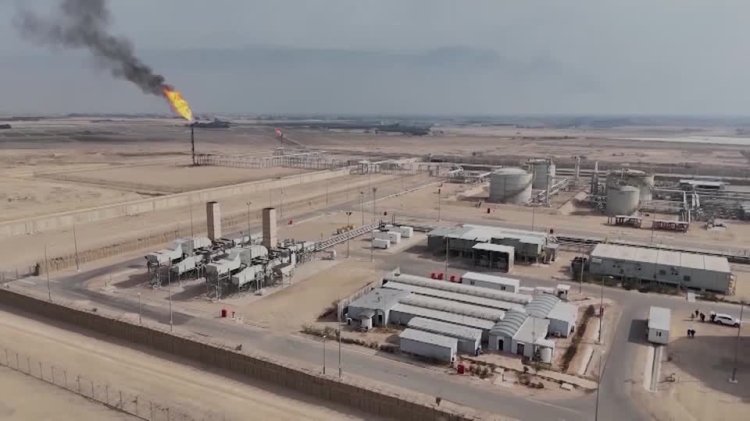
Oil prices pushed higher to two-week peaks as renewed regional tensions and stalled diplomatic efforts to contain the U.S.-Israeli war on Iran pushed risk premiums into the market. Brent crude rose about 2% to surpass $110 a barrel in Asian trade, with U.S. futures posting comparable gains after reports of an attack on the Barakah nuclear power plant in the United Arab Emirates and indications that U.S. leaders are weighing military options.
Emirati authorities said they were investigating the strike and framed it as a “terrorist attack,” asserting the country’s right to respond. Saudi Arabia reported intercepting three drones and warned it would take all necessary steps to protect its sovereignty and security. Market participants also noted that recent talks between U.S. and Chinese leaders produced no sign that the world’s largest oil importer would intervene to de-escalate tensions, removing a potential stabilizing influence on crude demand and sentiment.
Traders said the price rise reflected immediate concerns about supply disruptions given the Persian Gulf’s central role in global energy flows, and broader fears that retaliation or further strikes could threaten shipping routes and infrastructure. Even limited damage or repeated incidents can lift risk premia quickly, particularly where key chokepoints such as the Strait of Hormuz and export terminals are vulnerable. Analysts warned that elevated geopolitical risk is likely to keep markets jittery and prone to sharp moves in the near term.
Authorities have not released a full damage assessment, and regional and international partners are monitoring developments closely. Observers said the outlook for oil will hinge on official responses and any escalation, with potential implications for production, transport security and global fuel availability should the situation deteriorate.