Persian Gulf conflict strains India’s labour market
Returning migrants and weak exports raise job fears
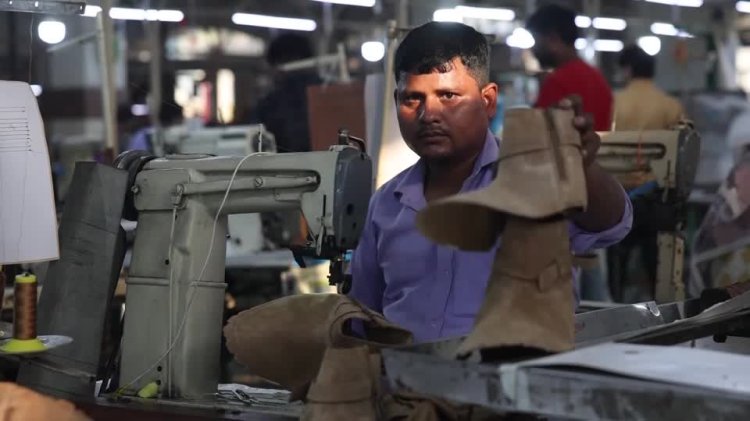
India's labour-dependent growth model is under pressure as the Middle East conflict sharply reduces job opportunities for Persian Gulf-based migrant workers and weakens demand for labour-intensive exports, hitting manufacturing hubs and raising unemployment risks across the country. Millions of returnees from Persian Gulf states have flooded domestic labour markets, while exporters of goods such as leather, footwear, textiles and glassware face rising logistics, fuel and shipping costs and falling orders that have forced factories to cut output and scale back hiring.
In industrial centres like Kanpur, leather factories report operating at roughly half capacity and employing far fewer workers than before, with owners citing higher input and transport costs alongside softer overseas demand. Recruiters say placements have plunged compared with earlier levels when hundreds could be placed monthly; firms are deferring recruitment and investment amid uncertainty. The twin shocks—remittance reversals and export slowdowns—are particularly acute for regions and households dependent on Persian Gulf incomes, increasing pressure on extended families and raising the prospect of social strain.
India already contends with a large youth cohort and stubbornly high urban youth unemployment; returning migrants add to job‑seeking numbers at a time when non‑farm job creation is lagging. Economists warn that labor markets are exhibiting underemployment and skill mismatches: while top graduates find opportunities, many from second‑ and third‑tier institutions struggle for suitable work, widening professional disparities. Growth slowdowns in Persian Gulf economies are expected to curb hiring further, and geopolitical risk has made employers and migrant families more hesitant about overseas placements.
Remittance inflows, though still sizable, may become more volatile and insufficient to offset income losses for vulnerable households in states dependent on Persian Gulf earnings. Policy challenges include cushioning short‑term job absorption, supporting retraining and regional investment, and preventing a longer‑term deterioration in job quality and wages. Analysts say India’s sizable foreign exchange buffers and diversified economy can help absorb shocks, but sustained disruption in Persian Gulf markets and trade channels could deepen employment and social pressures, testing the government’s capacity to generate large‑scale, decent non‑farm employment for millions of young and returning workers.