UK unveils robot bricklayer for housing boom
Walter aims to ease labour shortages and speed construction
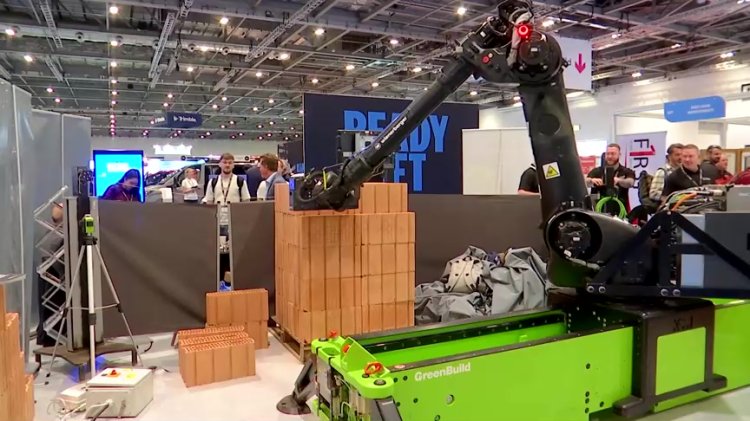
A robot bricklayer developed in the UK aims to ease a chronic shortage of skilled masons by automating repetitive, physically demanding tasks while working under human supervision. The Wall Laying Terra‑Based Robot (WLTR), nicknamed Walter, was presented by JT Lifestyle Homes founder Dr Jan Telensky, who noted the aging craft workforce and questioned who will build future houses without new recruits. Walter is designed to assist—not replace—bricklayers: a single operator can run the robot which, Telensky says, can perform the output of five bricklayers and a labourer in an hour and lay walls at roughly 10 square metres per hour with a placement tolerance of ±2 mm, comparable to top human workmanship.
The system requires a prepared first course and robot‑ready materials: specially grooved bricks for secure gripping and a glue bonding method that reduces traditional mortar and cement use. On-site workers remain essential to prepare the base, monitor operations, manage materials and handle complex tasks. Proponents argue the technology can speed construction, improve consistency, cut physical strain, and make construction work more attractive to younger recruits—Telensky suggests many would prefer working with robots, likening it to playing computer games.
WLTR is pitched amid pressure on Britain’s construction sector to boost housing output—government targets call for 1.5 million new homes during the parliamentary term—and a broader industry shift toward automation. Yet construction robotics faces obstacles that have slowed its uptake compared with factory automation: building sites are variable and harder to standardize, smaller firms may struggle with investment costs, and integration raises safety, training and regulatory considerations. Critics warn of potential displacement and emphasize the need for reskilling, while supporters point to the robot’s role in augmenting scarce labour and enabling faster, safer building.
The developer emphasizes WLTR as part of a hybrid future in which machines handle high-volume, repetitive work and humans focus on setup, oversight and higher-skill activities. If the technology proves durable and cost‑effective at scale, it could reshape masonry practices, accelerate housing delivery and change workforce recruitment and training in construction—contingent on wider adoption, compatible materials supply chains, regulatory approval and investment in complementary infrastructure and skills development.