Somalia starts issuing voter ID cards
Mogadishu begins large-scale rollout ahead of landmark local elections
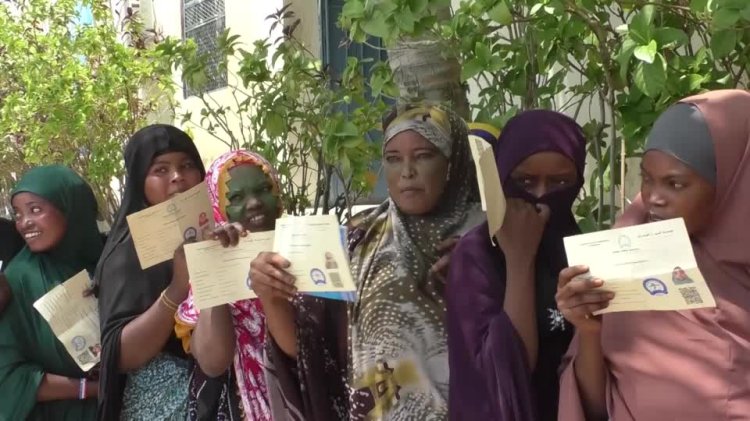
Somalia’s electoral authorities have started issuing voter ID cards across Mogadishu as the capital prepares for its first direct municipal council elections in decades under a “one person, one vote” system. Printing at the Somali Independent Election Committee headquarters operates around the clock in two eight-hour shifts, producing an estimated 30,000–40,000 cards daily; each printer turns out 2,000–3,000 cards, and officials expect to finish printing for seven districts this week. Distribution has begun in multiple districts including Hamar-Jajab, Waberi, Shangani, Hamar-Weyne, Boondheere, Abdiaziz and Shibis, with nearly one million residents registered across Mogadishu and the wider Banadir region.
In Waberi district, residents queued at five designated centres—the district office, Abu Hanifa, Rage Ugaas School, Mohamud Mire School and 21 October School—where election workers trained by the commission have been operating for several days to serve about 60,000 registered voters. Government figures and election officials have urged citizens to collect their cards and take part; Prime Minister Hamza Abdi Barre visited the electoral body’s headquarters to encourage turnout and framed voting as a constitutional right. Commission chairman Abdulkarim Ahmed Hassan also appealed for early participation to boost inclusivity and strengthen local governance.
Voters and community leaders described the distribution as a meaningful step, especially for older people, women and people with disabilities who said they felt newly recognised in the process. Observers say smooth, timely issuance of voter cards is critical to building confidence in the elections and avoiding the disputes and delays that have affected past polls. Political parties must submit candidate lists in line with the electoral timeline, making the logistic push for card delivery a key precondition for the vote.
Officials and civil society view the card rollout as an essential logistical milestone toward moving Somalia away from long-standing clan-based selection toward a more inclusive, accountable local democracy. Nonetheless, the process faces persistent challenges: security concerns in parts of the capital, strained infrastructure, and political tensions between federal and state authorities that could complicate implementation and voter participation. If the distribution and subsequent voting proceed smoothly, the municipal elections would mark a significant shift in Somalia’s electoral landscape.