Trump plans $100k fee for H-1B visas
Tech sector warns of talent loss as White House defends policy to boost U.S. jobs
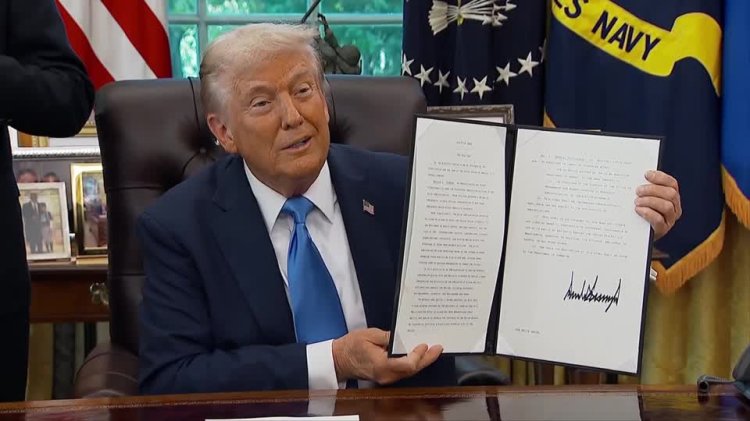
The Trump administration announced a plan to charge companies $100,000 per year for each H‑1B visa, a fee that would be levied annually for up to six years. This represents a dramatic increase from the previous application charge of roughly $215 and is intended to push firms to train and hire U.S. workers instead of relying on foreign talent. Commerce Secretary Howard Lutnick said the fee has broad corporate support and framed it as a way to “train Americans” rather than “bring in people to take our jobs.”
The proposal is the most visible element of President Trump’s broader immigration crackdown, which seeks to limit certain forms of legal immigration and reshape temporary‑employment visas. The tech sector, which depends heavily on H‑1B workers from India, China and other countries, is the primary target of the policy. Critics argue the fee will suppress wages, reduce the pool of skilled workers, and hinder innovation, potentially exacerbating labor shortages in high‑skill industries. Major tech firms such as Amazon, Apple, Microsoft and Google have not publicly endorsed the measure, and some companies are already adjusting by asking foreign visa holders abroad to return to the United States before the policy takes effect.
Supporters, including Tesla CEO Elon Musk, contend that H‑1B visas bring essential expertise that fills talent gaps and keeps U.S. firms competitive. Musk, a naturalized citizen who once held an H‑1B visa, has defended the program’s role in the economy.
The fee increase is part of a sweeping overhaul of legal immigration that also includes “gold card” and “platinum card” pathways offering residency or tax benefits to wealthy foreigners who make large investments or gifts. Legal experts anticipate challenges, noting that visa policy typically requires congressional authority and that a presidential proclamation imposing such a steep fee could be deemed an overreach.
If implemented, the $100,000 annual charge could sharply reduce H‑1B applications, reshape the tech and higher‑education sectors, and force companies to reconsider their reliance on foreign skilled labor, while potentially boosting wages for American workers.