

Tunisia faces protests over living conditions
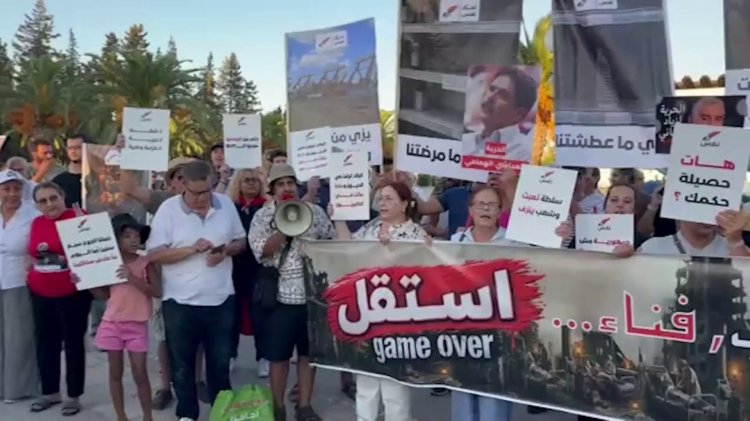
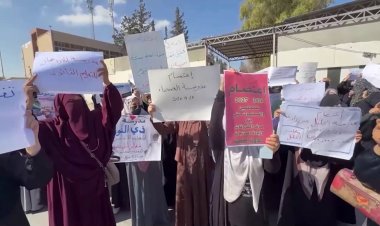
Hundreds of Tunisians have protested in the capital, Tunis, against President Kais Saied's rule and deteriorating living conditions. These protests highlight deepening public discontent. The demonstrations are fueled by severe water and electricity cuts amid heat, high living costs, and service shortages. Soaring prices for essential goods, food, and fuel have eroded purchasing power, while underfunded public services are increasingly strained. These economic grievances are linked to a political crisis stemming from July 2021, when Saied dismissed the government, suspended parliament, and rewrote the constitution. Saied invoked Article 80, citing an imminent threat, a justification disputed by experts and opponents. The subsequent rewriting significantly expanded presidential powers, diminishing legislative and judicial roles and centralizing decision-making. Critics call these actions a "self-coup" dismantling Tunisia's democracy, born from the 2011 Arab Spring. Tunisia had been celebrated as the sole democratic success story, making the backslide a source of profound regional and international concern. Saied's government has since consolidated power, weakened the judiciary, and cracked down on dissent, arresting opposition figures, journalists, and activists. This consolidation included dissolving the Supreme Judicial Council and replacing judges by presidential decree, undermining justice system independence. Restrictive laws have further stifled freedom of expression and assembly. The Nafas movement mobilizes citizens, demanding an end to one-man rule and democratic governance. Despite official reports of economic improvements, many Tunisians say these figures don't reflect citizens' harsh realities. Benefits have largely failed to trickle down, especially in marginalized regions. Unemployment remains high, particularly among youth. Public services continue to struggle under pressure, with underinvestment leading to declining quality. The ongoing protests underscore public discontent, highlighting the urgent need for comprehensive solutions to economic hardship and political impasse gripping Tunisia for years, demanding structural reforms and democratic principles.