Tunisian flotilla activists return home
Crowds greet deported Gaza aid participants as protests grow
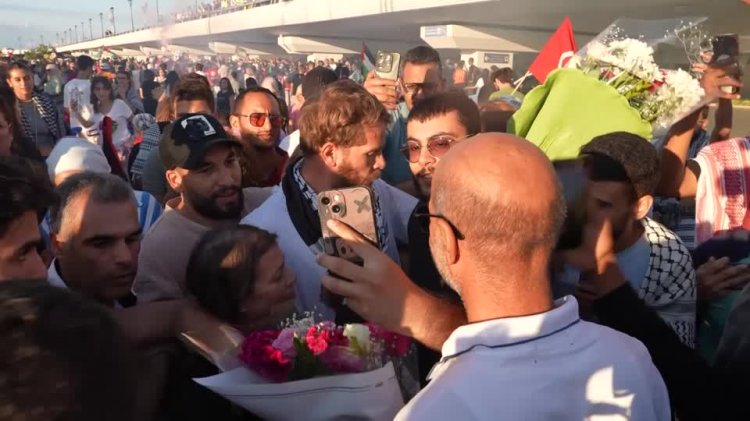
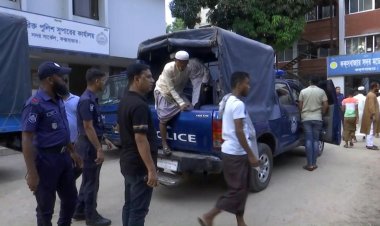
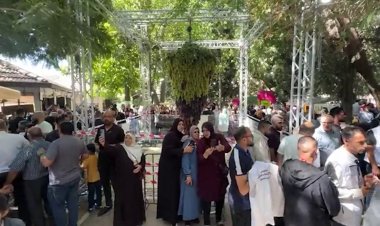
Around 10 Tunisian activists who participated in a humanitarian flotilla aiming to deliver aid to Gaza were deported by Israeli authorities and have returned to Tunis from Turkey after being released. They joined a larger group of 127 activists who had been freed earlier, and their arrival drew large crowds at Tunis‑Carthage Airport where supporters chanted slogans, waved Palestinian flags and hailed them as heroes. Demonstrations and rallies also unfolded in port areas and other public spaces, with protesters denouncing Israel’s naval operation and voicing solidarity with Gaza.
The activists had been part of the Global Sumud flotilla, a multi‑national mission that attempted to breach Israel’s naval blockade of Gaza to deliver humanitarian assistance. Israeli naval forces intercepted roughly 40 vessels involved in the flotilla, detaining more<seg_84>more than 450 participants for questioning before arranging deportations. In the most recent round of expulsions, Israeli authorities deported 29 activists, raising the total number of deportations linked to the operation to more than 170. Israeli officials defended the interceptions, describing them as lawful enforcement of the maritime blockade and rejecting claims that their actions violated international maritime rules.
Tunisia’s government lodged diplomatic protests over the interception and has publicly questioned the legality of boarding ships on the high seas. Tunisian media, protest organisers and civil society groups mobilised to greet the returnees and amplify calls for accountability. Activists who were aboard the flotilla stressed that, despite the setback of being intercepted and deported, their mission retains symbolic importance and that international pressure and humanitarian attention to Gaza must continue.
Human rights organisations and legal groups, including Adalah, demanded transparency about how the detained activists were treated while in Israeli custody. They called for clear information on detainees’ legal status, access to medical care, and availability of legal counsel during detention and processing. These demands reflect broader concerns among rights monitors about the handling of civilians involved in protest and humanitarian attempts to challenge the blockade.
The interception and deportations have intensified debate across the Arab world and among international observers about the effectiveness of flotillas as a form of protest, the humanitarian impact of the naval blockade on Gaza, and the responsibilities of regional governments and international bodies to ensure aid access.