UK and Turkey sign £8bn jet deal
Agreement deepens defence ties and boosts Turkey’s air power
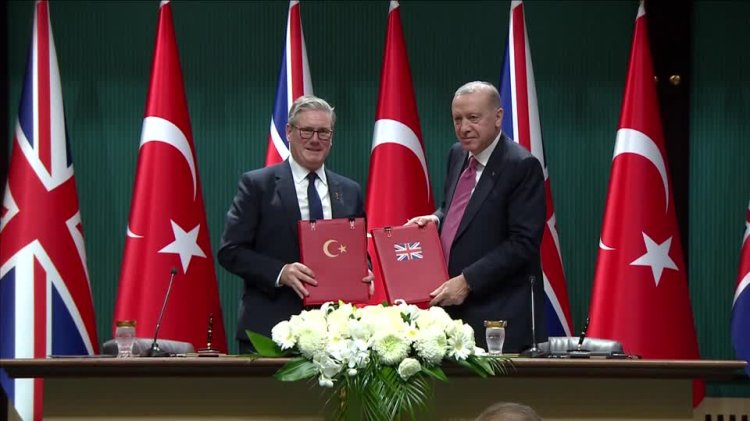
British and Turkish leaders signed an £8 billion defence agreement under which Turkey will buy 20 new Eurofighter Typhoon jets from the United Kingdom, deepening military ties between two NATO allies and boosting Ankara’s air-defence capabilities. The contract, finalised in Ankara, follows an earlier preliminary arrangement for up to 40 Typhoons and comes as Turkey presses to modernise a fleet still largely composed of F-16s and to strengthen its posture amid regional tensions. Deliveries are slated to begin around 2030, giving Turkey time to integrate the Typhoon fleet ahead of its planned domestic KAAN fighter programme.
British officials said the deal bolsters NATO’s southeastern flank and reinforces bilateral defence cooperation, while industry estimates indicate the programme will sustain thousands of jobs across the UK defence sector, notably at BAE Systems. For Turkey, the purchase is part of a wider effort to diversify suppliers after being excluded from the F-35 programme and to supplement a separate U.S. contract for upgraded F-16s that has faced delays. Turkey has also pursued interim options, including talks to acquire a limited number of used Typhoons from Qatar and Oman to meet immediate operational needs while new jets are produced.
Analysts interpret the agreement as serving several strategic aims: enhancing Turkey’s deterrent capabilities in a volatile region, strengthening London-Ankara ties, and supporting the UK defence-industrial base with its first new Typhoon order since 2017. Germany, which is part of the Eurofighter consortium and holds export-licensing authority, had initially blocked the sale but later approved it, enabling the contract to proceed.
The pact attracted criticism from human-rights organizations, which urged the UK to reconsider arms exports in light of concerns over Turkey’s democratic record and rule-of-law issues. Despite such objections, leaders on both sides framed the deal as a pragmatic response to shifting security dynamics, highlighting Turkey’s growing role as a major military partner—both as NATO’s second-largest armed force and as a significant exporter of armed drones—and as a potential stabilizing contributor to Europe’s eastern flank should future post-conflict missions arise.