U.S. early voting begins for midterms
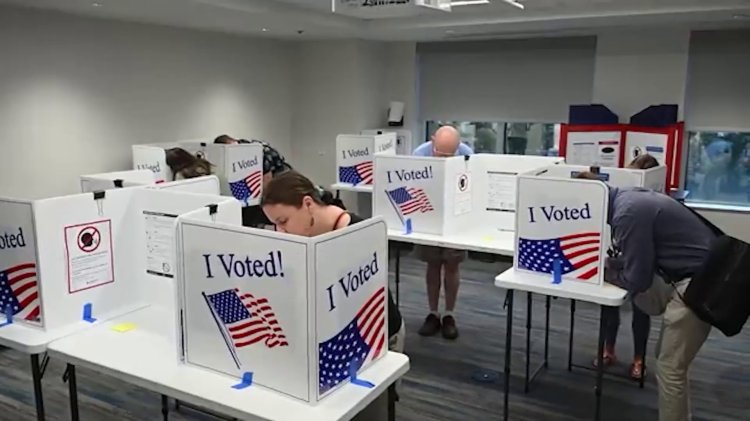
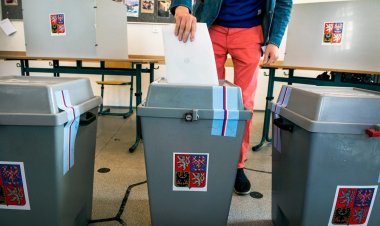
Early voting has commenced in several United States states. These elections, scheduled for November 3, 2026, will determine the composition of the United States Congress and have significant implications for the nation's political landscape. This practice has become increasingly common, offering convenience and flexibility. The midterm elections are held two years into a president's term. All 435 seats in the House of Representatives are up for election, along with 35 of the 100 seats in the Senate, including two special elections. 39 state and territorial gubernatorial elections will also be contested. The outcome of these elections can shift the balance of power in Washington, impacting the president's ability to pass legislation and implement their agenda. A change in control of either chamber can lead to legislative gridlock. Historically, midterm elections often see lower voter turnout compared to presidential elections, but their impact on governance is profound. Early voting options aim to make the voting process accessible and encourage participation. These methods include in-person early voting and absentee voting. As of January 2026, 47 states and the District of Columbia permit no-excuse early voting, allowing citizens to avoid lines and vote at their convenience. Campaigns are intensifying. The results of these races will shape domestic policy and influence the United States' role on the global stage. The coming weeks will see a surge in electoral activity, culminating in the nationwide elections. The stakes are high for both major political parties.