


U.S. government shuts down after Senate deadlock
750,000 workers furloughed as health-care fight stalls funding
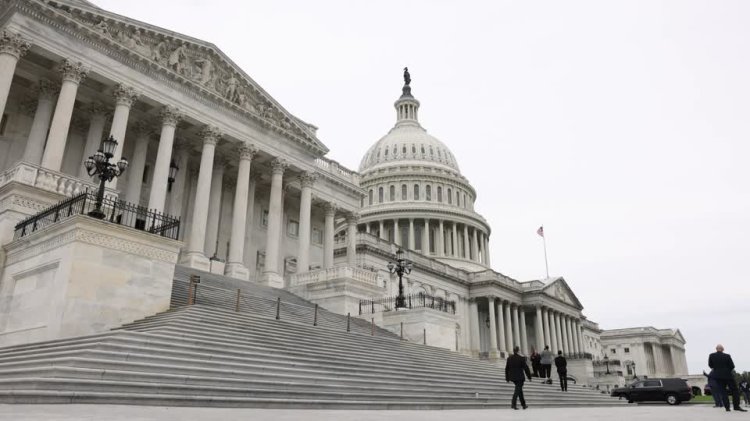
The federal government entered a shutdown hours after the Senate rejected a short‑term spending bill, marking the first lapse in nearly seven years and the 15th since 1981. The failure to secure a continuing resolution left roughly 750,000 federal workers furloughed, costing about $400 million per day, while essential services such as the military, law‑enforcement and Social Security remain operational.
The stalemate centers on health‑care subsidies. Democrats demand an extension of the enhanced Affordable Care Act subsidies that expire at year‑end and restoration of coverage for legally present immigrants, including refugees and asylum seekers. Republicans argue those provisions should be addressed separately and push only for a temporary funding level to buy more negotiation time. The impasse also reflects broader partisan battles over immigration and the border wall, echoing the 35‑day shutdown of 2018‑19 that forced 800,000 employees to work without pay.
Agencies warn the shutdown will delay the release of key economic data, slow air travel, suspend scientific research, and halt public‑health functions. The Department of Health and Human Services could see 41 % of its workforce furloughed, disrupting disease surveillance and research. Some entities, like the Consumer Financial Protection Bureau, can continue limited work because they are funded outside the regular appropriations process.
Legal challenges have emerged as major labor unions sued the Office of Management and Budget and the Office of Personnel Management, alleging unlawful orders to prepare mass layoffs in violation of statutes governing unfunded operations. Analysts caution that this shutdown could outlast previous budget‑related closures, given the heightened political stakes and the involvement of President Trump’s administration, which has threatened program cuts and permanent layoffs if the deadlock persists.
Democrats face pressure to secure a rare legislative victory ahead of the 2026 midterms, using the health‑care issue to rally voter support and to prevent any reversal of recent ACA changes. Republicans, meanwhile, maintain that the funding bill should not be tied to policy amendments. With no clear path to compromise, the shutdown may extend for an indeterminate period, leaving millions of Americans without access to routine government services and heightening uncertainty over the nation’s fiscal stability.