


U.S. House control hangs on close races
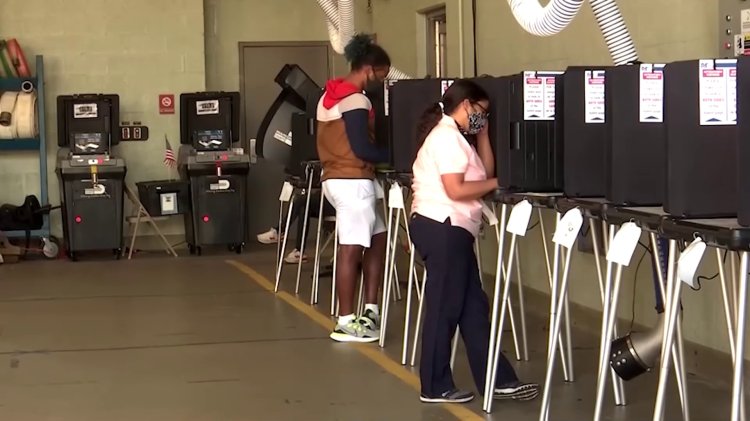
US midterm elections draw significant attention, particularly House races. All 435 seats are up for grabs, potentially shifting legislative power dramatically. About 50 races are highly competitive, crucial to the outcome. These contests are concentrated nationwide, reflecting a divided political landscape. Both parties invest considerable resources into these key battlegrounds, as every vote counts.Democrats aim to reclaim House control. To achieve a majority, Democrats need three additional seats. This narrow margin highlights the importance of competitive races; a handful of wins or losses could tip the scales. Analysts suggest voter turnout, local issues, and national political climate will impact these pivotal contests. The outcome influences the legislative agenda for the next two years and sets the stage for future presidential elections.Campaigns intensify with candidates engaging in outreach, debates, and fundraising. Rhetoric from both sides highlights contrasting visions for the country's future, from economic to social issues. Independent and swing district voters are heavily courted, as their decisions are likely decisive. The focus on these 50 competitive races illustrates the high stakes. Results will determine which party controls the legislative agenda, impacting budget allocations and major policy initiatives. As the election nears, observers closely watch these critical contests for shifts in voter sentiment or campaign momentum, recognizing profound implications for national governance.