Venezuela crude deal shifts oil to U.S.
Caracas and Washington agree on up to 2,000 million in petroleum exports
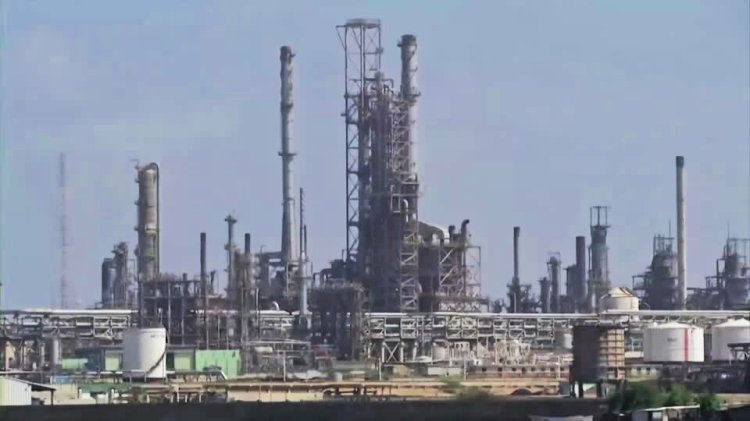
Caracas and Washington have struck a deal to send up to $2 billion worth of Venezuelan crude to U.S. refiners, a move that would divert supplies from traditional buyers such as China and ease pressures from mounting storage bottlenecks, U.S. and Venezuelan sources say. Under the arrangement, Caracas would turn over roughly 30–50 million barrels of oil for sale at international prices to Gulf Coast refineries, with proceeds reportedly to be managed to benefit both Venezuelans and Americans.
The pact follows intensified U.S. pressure on Venezuela’s leadership and comes amid a deep political crisis after the reported capture of President Nicolás Maduro. U.S. officials have pursued tougher measures including a naval blockade that had restricted shipments since mid-December and led to crude piling up in tankers and onshore storage. The new exports would reopen a channel for sanctioned barrels that had been unable to depart, while potentially reshaping global flows as China looks to alternative sources.
State oil firm PDVSA has acknowledged negotiations with U.S. counterparts and emphasized that any sales would be commercial and at market rates. Chevron remains the only major Western company with a U.S. license to handle Venezuelan crude under existing sanctions, and any expanded U.S. imports would likely build on that narrow legal framework. Major U.S. oil companies have been engaged in talks with administration officials and are reported to be seeking strong legal and financial guarantees before committing substantial investment to revive Venezuela’s deteriorated oil infrastructure.
The agreement is being positioned by U.S. policymakers as both a strategic step to secure heavy crude for domestic markets and a lever of influence over Venezuela’s vast reserves. Analysts caution, however, that reviving sustained output will require significant repairs and capital investment after years of underinvestment and operational decline. PDVSA has already begun cutting production in response to full storage tanks and shipment delays, shutting down well clusters and idling fields.
Market reaction has been muted, with oil prices drifting lower amid ample global supply that offsets concerns about Venezuelan disruption. Meanwhile, domestic controversy continues: Venezuelan officials accuse the U.S. of attempting to seize national resources, and the political turmoil has left the legal and logistical details of the deal subject to intense scrutiny. U.S. energy executives expected at White House meetings have signaled they will press for guarantees before committing to Venezuelan projects, highlighting the practical and political risks of renewed commercial engagement.